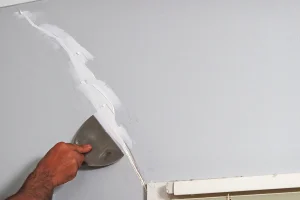
The first time I noticed the cracks, it was right after a heavy rainstorm.
Nothing unusual had happened inside the house. No loud noises. No shifting floors. Just a normal rainy night… followed by thin, faint lines on my wall the next morning.
At first, I thought I was imagining things. But when sunlight hit the wall near the window, there they were — tiny cracks that hadn’t been there before.
That’s when worry kicked in.
Was rain damaging my house?
Was water getting inside the walls?
Was this the beginning of a structural problem?
If you’ve noticed small wall cracks appearing after rainfall, you probably had the same thoughts. I did too. And honestly, the uncertainty was worse than the cracks themselves.
But after carefully investigating, fixing the root cause, and repairing the damage properly, the cracks stopped coming back — even after several storms.
In this guide, I’ll walk you through exactly what caused my wall cracks after rain, how I diagnosed the problem, and the step-by-step repair method that actually worked long term.
If rain seems to be triggering cracks in your walls, this will help you solve it properly instead of just hiding the symptoms.
Why Small Wall Cracks Appear After Rain
When I first saw the cracks, I assumed the wall itself was weak. That turned out to be wrong.
Rain doesn’t usually crack walls directly. Instead, it changes the environment around your house, and that change causes movement or moisture stress.
Here’s what commonly happens.
1. Soil Expansion Around the Foundation
This was the main cause in my case.
When soil absorbs water, it expands. When it dries, it shrinks. This constant swelling and contracting can create pressure against the foundation.
Even very small foundation shifts can show up as hairline wall cracks inside the house.
Homes built on clay-rich soil are especially prone to this.
2. Moisture Absorbing Into Exterior Walls
If exterior walls absorb rainwater, the materials expand slightly. When they dry, they contract.
This repeated movement creates stress that eventually shows up as cracks in interior plaster or paint.
3. Poor Drainage Around the House
I discovered that rainwater was pooling near one side of my house.
Standing water increases soil pressure and keeps foundation areas constantly damp, which encourages movement.
4. Minor Water Infiltration
Even small leaks around windows, roofs, or exterior joints can allow moisture into wall layers. When materials absorb water unevenly, surface cracking occurs.
5. Rapid Temperature Changes During Rainstorms
Rain often brings sudden cooling. When hot, dry walls cool quickly while absorbing moisture, surface tension increases.
That tension can cause hairline fractures.
How I Confirmed Rain Was the Real Cause
Before repairing anything, I needed proof that rain was actually responsible.
Here’s what I did.
I monitored the cracks for three weeks.
- After dry weather, cracks looked stable
- After heavy rain, they became more visible
- One crack slightly lengthened after a storm
- The wall felt cool and slightly damp near one corner
That pattern confirmed moisture-related movement.
If your cracks behave the same way, rain is likely influencing the problem.
The Most Important Lesson I Learned
Repairing the wall without fixing the moisture source is pointless.
I learned this after my first repair attempt failed. I filled the cracks, repainted the wall… and two weeks later, another storm brought them back.
The real solution was controlling water around the house first.
Only then did the repair become permanent.
Step-by-Step Solution That Actually Worked
This is the complete process I followed, in the exact order that made the repair last.
Step 1: Improve Drainage Around the House
This was the biggest turning point.
I walked around the exterior during light rain and watched where water flowed and collected.
What I found:
- Water pooling near one wall
- Soil sloping toward the house instead of away
- A partially blocked drainpipe
I fixed these issues immediately.
What I Did
- Cleared gutters and downspouts
- Extended drainpipe away from foundation
- Adjusted soil slope so water flows away from walls
- Filled low spots where water collected
Once drainage improved, the ground stopped staying wet for long periods.
That alone reduced wall stress dramatically.
Step 2: Seal Exterior Wall Entry Points
Next, I inspected areas where water might enter:
- Window frames
- Exterior wall joints
- Small gaps in render or plaster
I sealed visible gaps using weather-resistant exterior sealant.
This prevented moisture from penetrating the wall structure.
Step 3: Let the Wall Dry Completely
This step requires patience.
Before repairing interior cracks, the wall must be fully dry. Trapped moisture weakens repair materials and causes future cracking.
I waited several dry days and kept windows open for airflow.
In humid conditions, a fan or dehumidifier helps speed drying.
Step 4: Inspect Crack Stability
Once dry, I checked whether cracks were still changing.
They remained stable and did not widen.
That meant structural movement had settled, and cosmetic repair was safe.
Step 5: Prepare the Cracks for Repair
Proper preparation determines repair success.
I gently removed loose paint and debris from each crack using:
- Soft brush
- Scraper edge
- Dry cloth
Then I slightly widened the crack surface so filler could grip properly.
Step 6: Use Flexible Crack Filler
Because moisture causes minor movement, flexible filler is essential.
I pressed the filler deep into the crack and smoothed the surface evenly.
Thin layers worked best.
Flexible filler adapts to small shifts instead of breaking again.
Step 7: Sand Smooth After Drying
Once the filler dried completely, I sanded the area lightly until perfectly smooth.
A smooth surface ensures invisible repairs after painting.
Step 8: Apply Primer Before Painting
Primer seals the repair and prevents uneven paint absorption.
Skipping primer often creates visible patch marks.
I applied one thin coat and let it dry fully.
Step 9: Repaint the Wall
Finally, I repainted using matching wall paint.
Blending outward from the repair area created a seamless finish.
The cracks disappeared completely.
More importantly, they stayed gone.
What Happened After Several Rainstorms
This was the real test.
Multiple heavy rains passed over the next few months.
The cracks did not return.
That confirmed the true solution was moisture control plus proper repair.
Fixing only the surface would never have worked.
Practical Tips That Made a Big Difference
Check Your House During Rain
Observation during rainfall reveals drainage problems clearly.
Keep Gutters Clean Year-Round
Blocked gutters overflow and soak wall bases.
Maintain Exterior Sealant
Small gaps grow quickly when exposed to repeated rain.
Repair Early, Not Later
Fresh hairline cracks are easier to fix.
Monitor One Problem Wall Closely
Cracks often repeat in the same stress areas.
Mistakes That Cause Cracks to Return
Many homeowners unknowingly repeat these errors.
Repairing interior cracks without fixing exterior moisture
Using rigid filler that cannot handle movement
Painting damp walls
Ignoring poor drainage
Sealing cracks while foundation is still shifting
Avoid these, and your repair will last much longer.
Real Example From My Living Room
The worst cracks appeared on one wall facing heavy wind-driven rain.
That side of the house had:
- Poor drainage slope
- A leaking window seal
- Longer moisture exposure
After correcting those issues, that wall remained stable even in storms.
Location matters when diagnosing cracks.
How Much Did the Entire Fix Cost?
Very little compared to structural repairs.
Exterior sealant
Flexible filler
Primer
Paint
Basic drainage adjustment
Most work involved time and careful inspection rather than expensive materials.
When You Should Call a Professional
Do not ignore serious warning signs.
Contact a structural specialist if:
Cracks widen rapidly
Cracks exceed a few millimeters
Walls feel soft or bulge
Floors become uneven
Doors or windows stop closing properly
These indicate deeper structural movement.
Frequently Asked Questions
1. Is it normal for wall cracks to appear after rain?
Yes, if rain changes soil moisture or wall conditions. Minor movement often causes hairline cracks.
2. Will sealing cracks alone stop them from returning?
No. The moisture source must be controlled first, or cracks will reappear.
3. How long should I wait before repairing cracks after rain?
Wait until walls are completely dry and crack movement stops.
4. Are exterior cracks more serious than interior ones?
Not always. But exterior cracks should be sealed quickly to prevent water entry.
5. Can poor drainage really cause interior wall cracks?
Yes. Foundation pressure from wet soil can transfer stress into interior walls.
Final Thoughts
When small wall cracks first appeared after rain, I assumed something inside my house was failing.
The truth was simpler and more fixable.
Water around the house was changing how the structure behaved. Once I managed drainage, sealed entry points, and repaired the surface properly, the problem stopped completely.
If you’re dealing with small wall cracks after rain, don’t just patch them and hope for the best.
Watch how water moves around your home. Control moisture. Let walls dry. Then repair carefully.
That combination solved my problem permanently — and it can solve yours too.
A stable, dry environment is the real protection your walls need. Once you provide that, the cracks usually become just a temporary cosmetic issue, not a lasting concern.