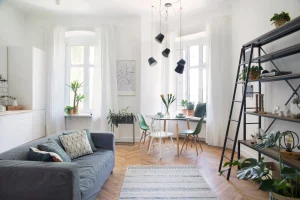
Living in a small apartment, tiny house, or even a single room can feel limiting at first. I’ve personally experienced the challenge of fitting all my essentials, furniture, and lifestyle needs into a compact space without it feeling cluttered or cramped. Over time, I discovered practical strategies that transform small spaces into functional, cozy, and organized homes. In this guide, I’ll share actionable small space solutions that can help anyone maximize their living area.
Why Small Space Solutions Matter
When space is limited, the way you organize, decorate, and utilize every inch can significantly impact your comfort, productivity, and even mental wellbeing. Small spaces can feel chaotic, but with thoughtful planning:
- You reduce stress from clutter.
- You make your home feel larger and more open.
- You increase efficiency in daily routines.
- You maintain a stylish, personalized living area.
Understanding these benefits makes it easier to commit to small space solutions rather than seeing them as restrictive.
Decluttering: The First Step to Space Optimization
Why decluttering matters
Clutter quickly makes any small space feel overwhelming. Too many items not only take up physical space but also create mental stress.
Practical tips to declutter
- Use the 3-Box Method: Label boxes “Keep,” “Donate,” and “Discard.” Go through each item and assign it accordingly.
- Ask yourself the key question: “Have I used this in the last 6–12 months?” If not, consider letting it go.
- Start small: Begin with one drawer, one closet, or one area at a time to avoid feeling overwhelmed.
Personal example: In my tiny studio, clearing out a single closet freed up enough space for extra storage bins, which made the room feel instantly larger.
Multi-Functional Furniture
Why it works
Furniture that serves multiple purposes maximizes space without sacrificing comfort.
Recommended solutions
- Sofa beds or daybeds: Great for living areas that double as guest rooms.
- Foldable tables: Perfect for meals, work, or hobbies, then tucked away when not needed.
- Storage ottomans: Provide seating while hiding blankets, shoes, or other items inside.
- Murphy beds: A classic for compact bedrooms, folding up against the wall during the day.
Tip from experience: Investing in a loft bed allowed me to create a workspace underneath, doubling the usable square footage in my bedroom.
Vertical Storage
Why vertical space is underused
Many beginners only consider floor space, ignoring walls, doors, and corners. Vertical storage can dramatically increase storage capacity without crowding the floor.
Practical solutions
- Wall-mounted shelves: For books, decor, or kitchen items.
- Hooks and racks: Hang coats, bags, or kitchen utensils.
- Over-the-door organizers: Ideal for shoes, cleaning supplies, or toiletries.
- Tall cabinets: Utilize full wall height for items you use less frequently.
Example: Installing shelves above my desk created room for books, office supplies, and a small plant—keeping the desktop clear for work.
Clever Kitchen Solutions
Small kitchen challenges
Limited counter space, cramped cabinets, and lack of pantry storage can make cooking frustrating.
Solutions that help
- Magnetic knife strips and racks: Free up counter drawers.
- Stackable containers: Maximize cabinet space for dry goods.
- Pull-out pantry shelves: Turn narrow spaces into accessible storage.
- Foldable or rolling kitchen carts: Add extra prep space when needed.
Real-life tip: Using a tiered spice rack cleared out my cabinet while keeping everything easy to reach.
Bedroom & Closet Organization
Small bedroom challenges
Clothes, shoes, and personal items can easily take over a tiny bedroom.
Smart strategies
- Under-bed storage boxes: Store seasonal clothes or bedding.
- Closet organizers: Use shelves, hanging organizers, or cubbies to maximize space.
- Hooks on walls or doors: For bags, belts, scarves, or hats.
- Minimalist approach: Keep only what you truly wear and love.
Example: I consolidated my closet into five bins labeled “Daily Wear,” “Work,” “Formal,” “Seasonal,” and “Shoes.” Finding what I needed became instant and stress-free.
Living Room & Multi-Purpose Areas
Small living room challenges
Crowded furniture and clutter can make even a cozy living room feel tiny.
Solutions that work
- Use mirrors: They reflect light and create an illusion of space.
- Light-colored decor: Keeps the area bright and airy.
- Floating shelves: Display decor without occupying floor space.
- Compact seating arrangements: Avoid oversized sofas; choose modular or smaller pieces.
Tip: I replaced a bulky coffee table with a set of nesting tables. They provide space when needed but can be tucked away to open up the room.
Bathroom Solutions
Common small bathroom problems
Limited storage and counter space often lead to cluttered sinks and cabinets.
Practical fixes
- Over-the-toilet shelving: Ideal for towels, toiletries, and cleaning supplies.
- Corner shelves: Make use of awkward, unused spaces.
- Shower caddies or hanging organizers: Keep shampoos and soaps tidy.
- Drawer dividers: Prevent small items from piling up in drawers.
Personal experience: Adding a tension rod with hanging baskets inside my bathroom shower gave me space for all essentials without taking up extra room.
Smart Decor Tips
- Keep it minimal: Avoid overcrowding walls with frames or decor.
- Use multifunctional decor: Think baskets, trays, or benches that double as storage.
- Add plants strategically: Small plants brighten spaces without cluttering.
- Light layers: Use sheer curtains, good lighting, and reflective surfaces to enhance space perception.
Example: A single tall plant in the corner instantly made my living room feel fresh and taller.
Mistakes to Avoid in Small Spaces
- Overcrowding furniture: Stick to essentials.
- Ignoring vertical space: Walls can hold plenty of storage.
- Hoarding items: Regular decluttering is essential.
- Using dark, heavy decor: It can make spaces feel smaller.
- Neglecting functionality for aesthetics: Make sure every piece serves a purpose.
Conclusion
Living in a small space doesn’t mean sacrificing comfort or style. By applying these practical small space solutions, you can:
- Maximize storage and organization
- Improve functionality in every room
- Maintain a calm and inviting atmosphere
- Make your home feel larger than it actually is
With a combination of decluttering, multi-functional furniture, vertical storage, and clever design, you can transform even the tiniest apartment into a space that feels spacious, organized, and welcoming.
Remember, small space living is all about creativity and planning. Start with one area at a time, experiment with solutions, and adapt what works best for your lifestyle. Over time, you’ll find that every inch can be purposeful and enjoyable.