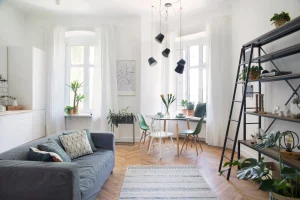
When I first moved into my apartment, I was excited about decorating my new bedroom. But the excitement quickly turned into frustration. My bedroom was tiny—barely enough room for a bed, a dresser, and a nightstand—and every day it felt cluttered and cramped. I couldn’t walk around comfortably, and organizing my clothes and personal items seemed impossible.
If you’ve ever struggled with a small bedroom, you know the feeling: every item competes for space, clutter builds up fast, and making the room feel open can seem like an unattainable goal. Over time, I discovered that small bedrooms aren’t a limitation—they just require smart strategies and practical solutions. With the right approach, even a tiny bedroom can feel comfortable, organized, and surprisingly spacious.
In this article, I’ll share the step-by-step methods I used, the practical tips that truly worked, and the mistakes to avoid, all based on my personal experience.
Understanding the Problem With Small Bedrooms
Small bedrooms present unique challenges, and knowing exactly what causes a room to feel cramped is the first step toward solving the problem.
- Limited floor space: A standard bed can dominate a tiny bedroom, leaving little room for movement.
- Excess belongings: Clothing, accessories, and personal items can quickly overwhelm a small area.
- Poor storage solutions: Many small bedrooms lack built-in storage, forcing clutter onto the floor, shelves, or surfaces.
- Visual clutter: Too many colors, patterns, or decorative items can make a room feel smaller than it is.
- Inefficient layout: Placing furniture without thinking about traffic flow can make even a medium-sized room feel claustrophobic.
Once I recognized these challenges, I realized the solution required both strategic planning and practical tools.
Step 1: Declutter Ruthlessly
The first step in creating a functional small bedroom is decluttering. I had to face the reality that I owned more items than my space could handle.
- Empty the room partially: I removed everything from drawers, shelves, and floor space to assess what I actually had.
- Sort belongings: I divided items into “Keep,” “Donate,” and “Store.” If I hadn’t used something in a year, it usually went in the donate pile.
- Limit decorative items: I kept only a few meaningful or functional items that added aesthetic value without overcrowding the room.
- Embrace minimalism gradually: I didn’t get rid of everything at once, but focused on items that weren’t essential.
The result? I instantly created more breathing room and a sense of order. Decluttering is often the most powerful—and overlooked—step in small bedroom solutions.
Step 2: Optimize Furniture Placement
In a small bedroom, the placement of furniture can make a huge difference. Initially, my bed blocked part of the window, and my dresser took up a wall that could have been used for storage.
- Leave clear walking paths: I ensured at least two feet of space between furniture pieces.
- Float the bed: Instead of pushing it against the wall in the corner, I centered it along one wall to create a sense of openness.
- Use multifunctional furniture: A bed with built-in storage drawers eliminated the need for a bulky dresser.
- Anchor furniture around focal points: I positioned the bed opposite the window to take advantage of natural light and make the room feel more open.
A strategic layout alone made the room feel larger and easier to move around in.
Step 3: Maximize Vertical Storage
When floor space is limited, the walls become your best friend. I quickly learned to think vertically.
- Wall-mounted shelves: Perfect for books, plants, and décor, freeing up floor and drawer space.
- Tall storage units: I added a tall, slim wardrobe that reached the ceiling, providing ample storage for clothes without taking too much floor space.
- Hooks and pegboards: These held bags, hats, and scarves neatly out of the way.
- Over-the-bed storage: Floating cabinets and shelves above the bed became a useful spot for extra blankets and personal items.
Vertical storage allowed me to keep essentials within reach while maintaining a clean and uncluttered floor.
Step 4: Choose Multi-Functional Furniture
In a small bedroom, furniture needs to do double duty. I invested in pieces that provided both function and storage.
- Bed with drawers: My under-bed storage held clothes, shoes, and extra bedding.
- Nightstand with shelves or drawers: Eliminated the need for extra storage furniture.
- Foldable desks or wall-mounted tables: A small workspace fit into a corner without overwhelming the room.
- Ottomans with storage: Served as seating, footrest, and hidden storage for miscellaneous items.
Each piece had to earn its keep, and these choices made a dramatic difference in functionality.
Step 5: Use Light and Color Wisely
Color and lighting can dramatically impact how spacious a bedroom feels.
- Light colors on walls and furniture: White, beige, soft pastels, or muted grays reflect light and make the room feel open.
- Mirrors: Placing a mirror opposite the window reflected natural light and created an illusion of depth.
- Consistent color palette: Limiting colors prevents visual chaos. I used soft neutrals for walls, bedding, and furniture, with small pops of color in décor.
- Maximize natural light: I swapped heavy curtains for sheer panels, allowing sunlight to brighten the space.
These visual adjustments made my bedroom feel brighter, airy, and more spacious.
Step 6: Keep Surfaces Clear
Cluttered surfaces make small bedrooms feel cramped instantly. I learned to keep countertops, dressers, and nightstands clear.
- Use trays and baskets: These corral small items like jewelry, glasses, or remotes without spreading clutter.
- Limit décor: I kept a small lamp and one decorative item on the nightstand.
- Hidden storage: Boxes, baskets, and storage ottomans kept everyday items out of sight but accessible.
By keeping surfaces tidy, I created an immediate sense of openness and calm.
Step 7: Incorporate Smart Organizational Habits
Even after transforming the bedroom, the key to maintaining a spacious feel was consistent habits.
- Daily tidy-up: I spend 5–10 minutes each evening putting items back in their place.
- Weekly reassessment: I review storage, drawers, and shelves to ensure items aren’t piling up.
- Seasonal rotation: Off-season clothing and blankets are stored in under-bed bins or higher shelves.
- Mindful purchasing: I only bring new items in if they replace or improve the existing setup.
These habits prevent clutter from creeping back in and maintain the sense of space.
Practical Tips and Mistakes to Avoid
From my experience, here are practical tips and mistakes to avoid in small bedrooms:
- Avoid oversized furniture: Bulky beds or dressers reduce usable space.
- Think vertically: Shelves, hooks, and wall-mounted storage maximize every inch.
- Choose multifunctional pieces: Furniture that doubles as storage is essential.
- Keep surfaces clear: A few well-chosen items are better than many small ones.
- Maintain consistency: Daily habits prevent clutter from taking over.
These insights saved me time, money, and frustration while creating a functional bedroom.
Real-Life Examples
- Replacing my traditional bed with a storage bed freed up space that had previously been crowded by a dresser.
- Installing floating shelves above the desk and bed created storage for books, décor, and personal items.
- Using hooks on the walls for scarves and bags eliminated piles on the floor.
- Adding a large mirror opposite the window reflected light and made the room feel twice its size.
- A small ottoman stored extra blankets and served as seating, keeping the floor and surfaces clear.
Each small change compounded to make a dramatic difference in comfort, functionality, and the overall feeling of space.
FAQs
Q1: How can I make a small bedroom feel bigger without remodeling?
A1: Declutter, use vertical storage, choose multifunctional furniture, keep surfaces clear, and use light colors and mirrors.
Q2: What furniture works best in small bedrooms?
A2: Storage beds, nightstands with drawers, foldable desks, wall-mounted shelves, and ottomans with storage are ideal.
Q3: How do I maintain a small bedroom over time?
A3: Daily tidying, weekly checks, seasonal rotation, and mindful purchasing keep the room functional and clutter-free.
Q4: Can color and lighting make a significant difference in small bedrooms?
A4: Yes, light walls, neutral tones, mirrors, and natural light make the space feel larger and more inviting.
Q5: How can I store clothes and personal items efficiently in a small bedroom?
A5: Use under-bed storage, tall wardrobes, floating shelves, hooks, and multifunctional furniture to maximize space.
Conclusion
Maximizing space in a small bedroom is entirely possible with strategy, creativity, and consistent habits. By decluttering, defining zones, using vertical storage, choosing multifunctional furniture, applying smart visual tricks, and maintaining organization, I transformed my once-cramped bedroom into a comfortable, functional, and visually spacious retreat.
The key takeaway is intentionality: every item, furniture piece, and habit should serve a purpose. With these solutions, any small bedroom can feel open, organized, and truly livable.