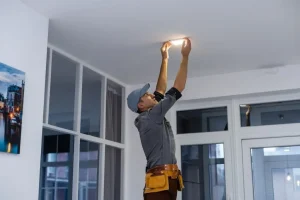
For months, I had been struggling with one of the most annoying problems in my home: my lights just didn’t work right. Some flickered randomly, others dimmed unexpectedly, and a few didn’t seem to reach their full brightness no matter what I did. At first, I assumed it was the house wiring or perhaps an issue with the light fixtures themselves. I even considered calling an electrician, but the thought of paying hundreds of dollars for something that might be simple made me pause.
I kept asking myself: “Could it really be as simple as the bulbs?” I had old incandescent and some outdated LED bulbs that had been in place for years. Could they be the culprit? After much hesitation, I decided to replace every bulb in my house with new, high-quality LEDs—and that’s when everything changed. The flickering stopped, the dimming disappeared, and my home finally felt bright and welcoming again.
If you’ve ever struggled with inconsistent lighting at home, this article will walk you through my exact experience and how replacing old bulbs can solve even the most persistent lighting problems.
Understanding the Real Problem
Before diving into solutions, it’s crucial to understand why old bulbs often cause lighting issues. The problem usually isn’t complicated but can easily be misdiagnosed.
Aging Bulbs Lose Efficiency
Over time, bulbs naturally lose their brightness. Incandescent bulbs can dim gradually, while LEDs might flicker or fail intermittently as internal components degrade. I noticed my old bulbs had a yellowed, uneven glow, and some were almost imperceptibly dimmer than newer ones.
Compatibility Issues with Fixtures and Switches
Old bulbs may not be compatible with newer dimmers or smart switches. In my home, I had a mix of older bulbs with newly installed dimmers. This combination caused flickering and uneven brightness that wasn’t present with compatible bulbs.
Poor Energy Efficiency
Older bulbs draw more electricity and often heat up, which can affect performance in fixtures. While this might seem minor, in my bathroom and kitchen, it caused both flickering and shortened bulb life.
Hidden Moisture Damage
In areas like bathrooms or kitchens, old bulbs can suffer from moisture exposure, which can corrode contacts or degrade internal components. Some of my bathroom lights would flicker after showers—clearly a moisture-related issue with the aging bulbs.
Step-by-Step Solution That Worked for Me
After identifying the potential causes, I approached the problem methodically. Here’s the process I followed:
Step 1: Assess the Problem Areas
I started by walking through my home and noting which lights were dim, flickering, or inconsistent. This included ceiling lights, wall fixtures, and lamps. I made a list of:
- Fixtures with intermittent flickering
- Areas that felt dim even with the lights on
- Bulbs that were very old or nearing their rated lifespan
This helped me focus on the areas that truly needed attention.
Step 2: Choose the Right Replacement Bulbs
Selecting proper replacement bulbs was critical. Here’s what I considered:
- Brightness (Lumens): I replaced low-lumen bulbs with brighter LEDs appropriate for the space. For living areas, 800–1,200 lumens worked best; for task lighting like desks or counters, 400–600 lumens was sufficient.
- Color Temperature: I chose neutral white (4000–4500K) for general areas, warm white (2700–3000K) for bedrooms, and cool white (5000–6000K) for workspaces.
- Dimmable Options: Wherever dimmers were installed, I ensured the new bulbs were compatible.
- Damp-Rated Bulbs: For bathrooms and kitchens, I selected bulbs rated for humid environments.
By carefully matching bulbs to fixture type and room function, I avoided repeating the old problems.
Step 3: Remove Old Bulbs Safely
Safety comes first. I always:
- Turned off the switch before removing the bulb
- Used a sturdy ladder for ceiling fixtures
- Allowed old bulbs to cool if they were hot
- Disposed of broken or mercury-containing bulbs properly
This simple safety routine prevented accidents and ensured I could work confidently.
Step 4: Install New Bulbs
Installing new bulbs was straightforward:
- I screwed each bulb firmly into the socket, making sure it was seated fully
- For lamps and fixtures with multiple bulbs, I installed all replacements at once for consistency
- I tested each bulb immediately to ensure proper brightness and no flickering
Replacing old bulbs immediately improved the brightness and eliminated flickering in almost every fixture.
Step 5: Fine-Tune Dimmers and Smart Controls
Some bulbs required adjusting dimmer settings. For my living room dimmers:
- I set the minimum and maximum levels to match the new LED’s range
- Tested the bulbs at various dimmer levels to avoid flickering
- Adjusted smart home schedules to ensure lights powered on at consistent brightness
These small adjustments ensured the lights were both functional and comfortable.
Step 6: Observe and Adjust Over Time
After replacing all bulbs, I monitored their performance over a few weeks. This included:
- Checking for flickers during high appliance use
- Testing bulbs in humid areas
- Observing overall brightness and color consistency
The new bulbs maintained steady performance, validating that the issue was indeed the old bulbs.
Practical Tips, Mistakes to Avoid, and Real Insights
From my experience, here’s what I learned and what you should keep in mind:
Tip 1: Replace Bulbs in Sets
When multiple bulbs are used in a fixture, replace them all at once. Mixing old and new bulbs can cause uneven brightness and flickering.
Tip 2: Avoid Cheap, Low-Quality LEDs
Not all LEDs are created equal. Cheap bulbs may flicker, dim prematurely, or provide inconsistent color. I invested in mid-range branded LEDs and noticed better longevity and consistent performance.
Tip 3: Match Bulbs to Room Function
Color temperature and brightness matter. Using warm light in a workspace or cool light in a bedroom can be harsh on the eyes. Choose according to function.
Tip 4: Mind Dimmers and Smart Controls
If you have dimmer switches or smart lighting, always check compatibility before installing new bulbs. Incompatible bulbs can cause flickering or even damage the fixture.
Tip 5: Inspect Fixtures During Replacement
While replacing bulbs, I checked sockets for corrosion or loose wiring. Cleaning and tightening connections prevented potential future issues.
Tip 6: Humidity-Rated Bulbs for Bathrooms and Kitchens
Moisture can damage regular bulbs. Damp-rated bulbs are designed for these conditions and prevent flickering or early failure.
Real-Life Examples That Worked for Me
- Living Room Ceiling Fixture: Old incandescent bulbs were unevenly bright. Replacing them with neutral white LEDs eliminated flickering and provided uniform brightness.
- Bathroom Vanity Lights: Humidity caused intermittent dimming. Damp-rated LED replacements solved the problem completely.
- Desk Lamps: My desk lamp had an old CFL bulb that flickered. Swapping it with a compatible dimmable LED provided steady, comfortable light for work.
These simple replacements transformed my home environment and improved productivity, comfort, and mood.
FAQs
Q1: Can old bulbs really cause flickering and dimming?
Yes. Bulbs degrade over time, especially LEDs with several years of use or incandescents that have exceeded their rated hours.
Q2: How do I know which bulb is right for my fixture?
Check the fixture rating, choose the correct lumens and color temperature for the room, and ensure compatibility with dimmers or smart switches.
Q3: Should I replace bulbs even if they still light up?
If they flicker, dim, or produce inconsistent brightness, replacing them is recommended—even if they technically still work.
Q4: Are LED bulbs worth the investment?
Yes. LEDs last longer, are energy-efficient, produce stable light, and often provide better brightness than old bulbs.
Q5: Can replacing bulbs solve most home lighting problems?
In many cases, yes. Flickering, dimming, and inconsistent brightness are often due to aging or incompatible bulbs. Proper replacement usually resolves the issue.
Conclusion
Replacing old bulbs may seem trivial, but it can completely solve persistent lighting issues in your home. Aging bulbs, incompatibility with dimmers, moisture exposure, and decreased efficiency often cause flickering, dimming, and uneven brightness.
By assessing your home, choosing the right replacement bulbs, installing them carefully, and adjusting dimmers and smart controls as needed, you can restore bright, consistent light throughout your home. The transformation is immediate—your home feels more welcoming, functional, and comfortable.
For anyone struggling with dimming or flickering lights, start with the bulbs. Often, the simplest solution is the most effective—and you don’t need to call an electrician to enjoy perfectly bright, stable lighting again.