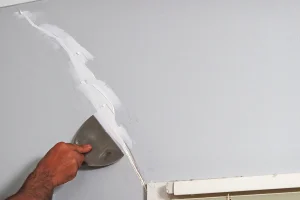
The first time I noticed the crack, I tried to ignore it.
It was small. Thin. Easy to overlook if you didn’t stare directly at the wall. But over the next few weeks, something bothered me. Every time I walked past it, I felt like it looked… slightly longer.
Then one morning, sunlight hit the wall at an angle and I saw it clearly.
The crack had spread.
That moment changed everything. I stopped thinking about how to hide it and started thinking about how to stop it. Because once a wall crack begins growing, it’s no longer just cosmetic. It’s a warning sign that something is moving, shifting, expanding, or weakening.
If you’re here, you’re probably in the same situation I was in. You’ve spotted a crack, maybe even repaired one before, but now your real concern is preventing it from getting worse.
That’s exactly what I learned to do in my own home. And in this guide, I’ll show you the practical, realistic steps that helped me stabilize my walls, stop crack growth, and prevent new damage from forming.
No complicated construction knowledge required. Just smart observation, simple fixes, and consistent prevention.
Why Wall Cracks Get Worse Over Time
Before I could stop the crack from spreading, I had to understand why it was growing.
That turned out to be the most important step.
A wall crack is not just a surface issue. It’s usually a symptom of movement or stress inside or around the structure. If that stress continues, the crack continues.
Here are the most common reasons cracks expand.
Natural building movement
All buildings settle slightly over time. Soil compresses, materials shift, and pressure redistributes. Small cracks can widen if settling continues unevenly.
Temperature expansion and contraction
Walls expand in heat and shrink in cooler temperatures. Repeated cycles create stress lines that gradually widen.
Moisture changes
Humidity, water leaks, or damp walls cause materials to swell and weaken. When they dry, they shrink and crack further.
Structural stress points
Door frames, window corners, and ceiling joints are common weak spots where cracks tend to spread.
Poor original repair
If a crack is only filled but the cause isn’t addressed, it almost always comes back larger.
Once I understood this, my goal became clear. I didn’t just need to repair cracks. I needed to reduce the stress causing them.
How I Checked Whether the Crack Was Still Active
Before taking preventive action, I needed to know if the crack was still moving.
This simple monitoring method helped me.
The pencil mark method
I lightly marked both ends of the crack with a pencil and wrote the date beside it.
Then I measured the width using a ruler and noted that too.
I checked it weekly for one month.
If the crack lengthens or widens, movement is still happening. If it stays the same, the structure may have stabilized.
In my case, the crack grew slightly over two weeks. That confirmed I needed to act quickly.
Step-by-Step: What I Did to Stop the Crack from Spreading
These steps worked together. None of them alone would have solved the problem. Prevention is about reducing stress from multiple directions.
Step 1: Control indoor humidity
This was the biggest surprise for me.
My home’s humidity levels changed drastically between seasons. During dry periods, walls shrank slightly. During humid weather, they expanded.
That constant cycle was stressing the wall.
What I did:
- Improved ventilation in closed rooms
- Avoided excessive indoor moisture buildup
- Fixed minor condensation near windows
- Used natural airflow whenever possible
Keeping humidity stable dramatically slowed crack growth.
Step 2: Fix even small water issues immediately
I discovered a tiny plumbing seep behind a nearby wall. It wasn’t visible damage, but it kept the internal structure slightly damp.
Moisture weakens plaster, drywall, and paint adhesion. Over time, even mild dampness can accelerate cracking.
I repaired the leak and allowed the wall to dry completely before sealing the surface.
After that, the crack stopped widening.
Step 3: Reinforce the crack instead of just filling it
Previously, I had filled cracks like most people do. Apply filler. Smooth it. Paint over it.
That only treats the surface.
This time, I reinforced the area.
My method:
- Open the crack slightly so repair material bonds properly
- Apply crack filler deeply
- Embed reinforcing mesh or tape over the crack
- Apply a second layer of compound
- Sand and repaint
The reinforcement distributes stress across a wider area, preventing the same line from reopening.
This single change made a huge difference.
Step 4: Reduce wall stress from heavy loads
I had mounted a large decorative piece on the same wall. It wasn’t extremely heavy, but it created localized pressure.
After removing it and relocating it to a stronger section of wall, I noticed less tension around the cracked area.
Walls are not always designed for concentrated loads. Even moderate weight can worsen existing stress points.
Step 5: Seal and repaint properly
Bare or poorly painted walls absorb moisture from the air. Over time, that weakens the surface.
After repairing and reinforcing the crack, I sealed the entire area with primer and applied high-quality paint.
This created a protective barrier that reduced moisture absorption and surface movement.
Step 6: Monitor seasonal changes
Some cracks expand slightly during extreme heat or cold. That’s normal.
What matters is whether they return to their original size afterward.
I made it a habit to inspect walls at the start and end of each season. Early detection prevents major repairs later.
Practical Habits That Keep My Walls Stable Today
Preventing crack growth is not a one-time fix. It’s ongoing care.
These habits now protect my home.
Maintain consistent indoor climate
Sudden temperature swings stress building materials.
Inspect corners regularly
Door and window corners reveal early movement.
Repair hairline cracks quickly
Small cracks are easy to stabilize before they grow.
Check exterior walls after heavy rain
Water infiltration often begins outside before appearing indoors.
Avoid drilling repeatedly in the same area
Multiple holes weaken wall integrity.
These simple habits take minutes but prevent major damage.
Mistakes I Made Before Learning Proper Prevention
These are common and costly.
Ignoring small cracks
Minor cracks often signal early movement. Waiting allows expansion.
Repainting without repairing
Paint hides problems but doesn’t stabilize the structure.
Using rigid filler in moving areas
Some fillers crack again if the wall continues shifting.
Not addressing moisture sources
Repairing without fixing dampness guarantees recurrence.
Assuming all cracks are harmless
Some are. Some are not. Observation matters.
Learning from these mistakes saved me time and repeated repairs.
Real-Life Example: Two Cracks, Two Different Outcomes
In my hallway, I repaired and reinforced a crack early.
In a spare room, I ignored a similar crack for months.
The hallway crack has never returned.
The spare room crack widened enough that I had to redo plaster across a larger area.
Early prevention is always easier than late repair.
When Prevention Is Not Enough
Some cracks continue growing despite preventive measures.
Seek professional inspection if you notice:
- Rapid crack expansion
- Multiple cracks forming together
- Cracks wider than several millimeters
- Doors or windows misaligning
- Wall bulging or separation
- Foundation cracks outside
Structural movement requires expert evaluation. Prevention works best when underlying structure is stable.
Long-Term Strategies That Protect Walls for Years
Beyond immediate prevention, these long-term strategies keep my home stable.
Proper drainage around the house
Water pooling near foundations causes shifting.
Stable soil moisture outdoors
Extreme drying and soaking cycles affect foundation support.
Regular exterior inspection
Small outside cracks often predict interior ones.
Quality repainting every few years
Protective coatings reduce environmental stress.
Periodic professional inspection
Especially helpful in older homes.
These steps turn prevention into long-term protection.
FAQs
Can a small wall crack become serious if ignored?
Yes. Some cracks begin as minor surface splits but widen if movement continues. Monitoring and early repair prevent major damage.
How often should I inspect wall cracks?
Check monthly if a crack is active. Otherwise, inspect seasonally and after extreme weather changes.
Does repainting stop cracks from spreading?
No. Paint only covers the surface. Proper repair and stress reduction are necessary to prevent growth.
Should I always reinforce repaired cracks?
Reinforcement is recommended for recurring or stress-prone areas such as corners and joints.
Can humidity alone cause cracks to grow?
Yes. Repeated expansion and contraction from humidity changes can widen existing cracks over time.
Conclusion
When I first saw my wall crack spreading, I assumed the worst. Structural damage. Expensive repairs. Endless problems.
What I discovered instead was something far more practical.
Most growing wall cracks are not random. They respond to pressure, moisture, temperature, and stress. When those forces are controlled, cracks stabilize.
By monitoring movement, managing humidity, fixing moisture issues, reinforcing repairs, and reducing wall stress, I stopped my crack from spreading completely.
More importantly, I prevented new ones from forming.
If you’re dealing with a crack that worries you, don’t just cover it. Understand it. Stabilize the environment around it. Reinforce weak points. Monitor changes.
Prevention is not complicated. But it is intentional.
And once you take control of the causes, wall cracks stop being something that scares you… and become something you know exactly how to manage.