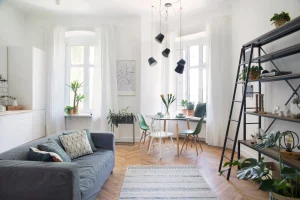
When I first moved into my apartment, I was excited about my cozy living room. But that excitement faded quickly. The space felt cramped, my furniture seemed to swallow the room, and even walking from the sofa to the coffee table felt like threading through an obstacle course. I knew I wasn’t alone—many people struggle with making small living rooms feel comfortable and inviting. Over time, I discovered practical strategies that transformed my tiny, claustrophobic living room into an open, functional, and cozy space.
In this article, I’ll share exactly what I did, step by step, so you can apply these changes to your own living room and finally make it feel spacious and welcoming.
Why Small Living Rooms Feel Cramped
Understanding why a small living room feels cramped was my first breakthrough. Several factors contributed to the problem:
- Bulky furniture: Oversized couches or chairs take up valuable floor space.
- Clutter accumulation: Everyday items, decorations, and electronics can quickly overwhelm a small room.
- Poor layout: Furniture placement that blocks walking paths or natural light shrinks the space visually.
- Dark colors or heavy patterns: These make walls feel closer and the room more confined.
- Lack of vertical thinking: Not using walls or corners for storage can leave the floor feeling crowded.
Recognizing these issues helped me focus on the right solutions rather than wasting time with superficial changes.
Step 1: Declutter and Prioritize Essentials
The first change I made was decluttering. A living room only feels open when unnecessary items are removed.
- Clear the floors: I started by removing items that didn’t belong in the living room, like stacks of mail, shoes, or unused décor.
- Sort and decide: Using three categories—“Keep,” “Donate,” and “Store”—helped me make decisions quickly.
- Limit décor to meaningful pieces: I kept only items that added aesthetic value or had practical use.
- Use hidden storage: Storage baskets and multi-purpose furniture helped me keep essentials without cluttering surfaces.
Even after removing a few items, my living room felt noticeably more open. This step proved that less really is more.
Step 2: Optimize Furniture Placement
Furniture placement can make or break a small living room. I realized my old layout was blocking pathways and making the space feel tighter.
- Create clear walking paths: I left at least two feet of space between key furniture pieces.
- Float furniture away from walls: This creates the illusion of depth and makes the room feel larger.
- Use multi-purpose furniture: My coffee table doubled as storage, and my ottoman became both a footrest and an extra seat.
- Anchor seating areas: Grouping furniture around a focal point, like a rug or TV, created a sense of organization and flow.
A thoughtful layout improved the usability and feel of my space almost immediately.
Step 3: Choose the Right Furniture
Not all furniture suits small spaces. I had to rethink my pieces carefully.
- Scale appropriately: I replaced my bulky sofa with a slimline version that still offered comfort.
- Leggy furniture: Sofas and chairs with visible legs make a room feel airy.
- Nesting and foldable pieces: I added nesting tables that could be tucked away when not in use.
- Transparent furniture: An acrylic chair and glass table helped the room feel less crowded.
Investing in the right furniture transformed the room without major renovations.
Step 4: Use Light and Color Strategically
Color and lighting are powerful tools for creating the illusion of space.
- Light wall colors: Whites, creams, and soft pastels reflected more light and visually expanded the room.
- Natural light: I removed heavy curtains and replaced them with sheer panels to let sunlight in.
- Mirrors: Placing a mirror across from the window reflected light and created a sense of depth.
- Layered lighting: A combination of ceiling lights, table lamps, and floor lamps illuminated corners that were previously dark.
These small changes made the room feel bright, airy, and more welcoming.
Step 5: Maximize Vertical and Hidden Storage
Small living rooms benefit immensely from vertical and hidden storage solutions.
- Floating shelves: I used shelves to display books, plants, and decorative items without occupying floor space.
- Wall-mounted storage: TV units and cabinets were mounted on the wall, leaving the floor open.
- Under-sofa storage: I used bins and boxes under the sofa to store blankets, games, and other essentials.
- Hidden compartments: Multi-purpose furniture with storage inside kept everyday items out of sight.
These adjustments allowed me to maintain functionality without overcrowding the room.
Step 6: Keep Decor Minimal and Functional
Decor can enhance a room, but too much overwhelms small spaces.
- Single focal points: I chose one statement wall with artwork instead of decorating every wall.
- Functional décor: Baskets, trays, and decorative boxes added style and storage simultaneously.
- Clear surfaces: I kept tables and shelves mostly free to maintain openness.
- Plants for freshness: Small indoor plants added life without taking up much space.
Minimal and functional décor transformed the visual flow of my room.
Step 7: Maintain a Habit of Organization
Even after making changes, the room could easily feel cramped if I didn’t maintain it.
- Daily tidy-ups: I spend 5 minutes each evening returning items to their place.
- Weekly checks: I assess what’s out of place and reorganize as needed.
- Mindful purchasing: Before adding new furniture or décor, I ask if it’s necessary and replaces something else.
- Rotate seasonal items: I swap throws, cushions, and décor for different seasons to keep the room feeling fresh.
Maintaining habits ensures the space remains functional and inviting long-term.
Practical Tips and Mistakes to Avoid
Through trial and error, I learned a few key lessons:
- Avoid overfilling the room: Cramping furniture makes the space feel smaller instantly.
- Use furniture with legs: This creates the illusion of open floor space.
- Prioritize clear sight lines: Avoid blocking windows or pathways.
- Limit décor and knick-knacks: A cluttered room feels visually heavy.
- Consistency matters: Small daily habits prevent the room from feeling cramped again.
These practical tips saved me time and frustration, and they can help anyone facing the same challenge.
Real-Life Examples
- Swapping my bulky sectional for a slimline sofa instantly freed up walking space.
- Installing floating shelves allowed me to store books and décor while keeping surfaces clear.
- A clear glass coffee table made the seating area feel more open.
- Adding a wall mirror reflected light and made the room feel twice its size.
- Multi-purpose furniture with hidden storage allowed me to keep blankets, games, and electronics neatly tucked away.
These changes compounded to make my once-cramped living room spacious, functional, and cozy.
FAQs
Q1: How can I make a small living room feel bigger without renovations?
A1: Declutter, optimize furniture placement, use light colors and mirrors, and add vertical and hidden storage.
Q2: What type of furniture works best for tiny living rooms?
A2: Slimline sofas, furniture with visible legs, nesting tables, and multi-purpose pieces with storage work best.
Q3: How important is color in small living rooms?
A3: Very important. Light walls, ceilings, and décor reflect light and make the space feel open.
Q4: Can decor make a small room feel bigger?
A4: Yes, but it must be minimal and functional. Statement pieces, clear surfaces, and strategic plants enhance space perception.
Q5: How do I maintain a spacious living room long-term?
A5: Daily tidy-ups, weekly organization checks, mindful purchasing, and seasonal rotation of décor ensure long-term order.
Conclusion
Making a small living room feel spacious isn’t about magic—it’s about thoughtful choices and consistent habits. By decluttering, optimizing furniture placement, using light and mirrors, maximizing vertical and hidden storage, and keeping décor minimal, I transformed my once-cramped living room into a functional, inviting, and airy space.
The key takeaway is intentionality: every item, piece of furniture, and habit should serve a purpose. With these strategies, your living room can feel larger, more comfortable, and ready to host both everyday life and guests without feeling claustrophobic.