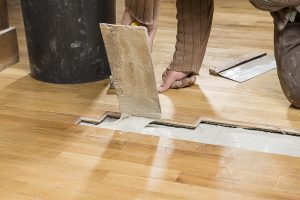
A few months ago, I walked into my living room and noticed something odd: one of the laminate planks had popped up slightly at the edge. At first, I thought it was just my eyes playing tricks, but as I stepped closer, the board lifted, and the seam between the planks became visible. My stomach sank. I had invested in a beautiful laminate floor, and seeing it buckle like that was stressful.
I immediately worried about the damage spreading. Could this ruin the whole floor? Would I have to replace the entire room? After researching, experimenting, and a bit of trial and error, I found a solution that worked — and surprisingly fast. In this article, I’ll walk you through exactly how I fixed my popped-up laminate floor, what caused it, and the practical steps you can take to prevent it from happening again.
Why Laminate Floors Pop Up
Understanding the problem is the first step toward fixing it. Laminate flooring is designed to snap together with a floating installation system, meaning the planks aren’t glued to the subfloor. While this makes installation easier, it also makes laminate susceptible to certain problems if conditions aren’t right.
Common Causes of Laminate Floor Buckling
- Moisture: Laminate planks absorb water from spills, high humidity, or leaks. Even a small amount can cause swelling and popping.
- Improper Expansion Gap: Laminate flooring needs a small gap around the edges to expand and contract naturally. If the gap is too small or blocked by trim, the floor can buckle.
- Subfloor Irregularities: Uneven or improperly prepared subfloors create pressure points that can lift planks.
- Temperature Fluctuations: Extreme heat or humidity changes can cause laminate to expand and push against walls or adjacent planks.
- Heavy Furniture or Impact: Dropping heavy objects or dragging furniture across the floor can pop planks loose.
In my case, a combination of a high-humidity summer and furniture pressure caused one edge of the floor to lift. If left unchecked, it could have spread and ruined multiple boards.
Step-by-Step Solution: Fixing a Popped-Up Laminate Floor
Here’s the approach I used, which is beginner-friendly and effective without replacing the entire floor.
Step 1: Identify the Extent of the Damage
First, I carefully examined the floor to see how many planks were affected. Sometimes only one plank pops up, while in other cases, multiple planks are under stress. Look for:
- Visible gaps between planks
- Raised edges or buckling
- Any moisture underneath
Tip: Check nearby boards as well. Laminate tends to push against the surrounding planks, so a popped-up plank may indicate pressure in a larger area.
Step 2: Remove Baseboards or Trim (If Necessary)
If the floor has trim or baseboards blocking expansion, I gently removed them using a pry bar. This gave the laminate room to settle back into place and prevented future buckling.
Pro Tip: Keep nails and trim pieces safe for reinstallation.
Step 3: Address Moisture
Moisture is often the main culprit for popped laminate. I made sure to:
- Dry the area immediately: Used towels to soak up any surface water.
- Increase ventilation: Placed fans to circulate air around the affected area.
- Use a dehumidifier: Especially helpful in humid climates to pull moisture from the air and floor.
If water has seeped under the boards, leaving it can cause permanent warping. Acting fast is essential.
Step 4: Gently Reposition the Plank
Once dry, I tried to push the popped-up plank back into place:
- Lifted the edge slightly
- Guided it down into its original groove using a tapping block or a piece of scrap wood
- Tapped gently with a mallet to avoid damaging the plank
This worked for minor popping, especially if caused by pressure or small expansion issues.
Step 5: Remove Pressure Points
If furniture or other objects were causing stress, I repositioned or used protective pads under legs. Even heavy cabinets can push against the floor over time.
For me, moving a small sofa a few inches and placing felt pads under the legs relieved pressure on the affected area, preventing the plank from popping up again.
Step 6: Repair Small Gaps or Cracks
Sometimes, popping creates small gaps between planks. I filled these with laminate repair kits:
- Colored putty or filler sticks
- Wax repair kits for surface-level gaps
- Buffed lightly with a soft cloth to blend color
These kits make the floor look seamless and prevent dirt from collecting in gaps.
Step 7: Reinstall Trim and Allow the Floor to Settle
After repositioning and repairs, I reinstalled baseboards and allowed the floor to adjust naturally for a few days. Laminate may continue to settle as it acclimates to room temperature and humidity.
Practical Tips and Mistakes to Avoid
From my experience, a few lessons can save time and frustration:
Tip 1: Always Leave an Expansion Gap
Laminate floors need a gap of about 1/4 inch around walls and fixed objects. Without it, the floor has no room to expand and will pop.
Tip 2: Keep Floors Dry
Even minor spills can cause long-term buckling. Clean up water immediately and use mats in high-moisture areas like kitchens or bathrooms.
Tip 3: Check Subfloor Regularly
Uneven subfloors are a hidden danger. Before installation, ensure the subfloor is level. Small bumps or dips create stress points over time.
Tip 4: Use Protective Pads
Place felt pads under all furniture. Heavy chairs, tables, and cabinets can push on planks, causing edges to lift.
Tip 5: Don’t Rush Repairs
Gentle repositioning is better than forceful hammering. Too much force can crack the laminate or damage the tongue-and-groove system.
Real-Life Examples That Worked
- Kitchen Pop: A single plank popped up near the fridge. Removing the appliance and applying gentle pressure with a tapping block restored it.
- Living Room Buckle: Multiple planks near a sunny window expanded in summer heat. Using fans and a dehumidifier reduced humidity and prevented further popping.
- Bedroom Edge Lift: A bed frame caused edge pressure. Felt pads under legs eliminated stress and stopped popping.
These examples show that careful observation, quick action, and preventive measures usually solve laminate popping problems.
When to Call a Professional
While DIY solutions work for minor popping, call a professional if:
- Large sections of the floor are buckling
- Water damage has affected subflooring
- Tongue-and-groove planks are damaged
- Laminate is old or fragile
A pro can replace boards, fix structural issues, and ensure long-term stability.
Preventing Future Laminate Floor Problems
Once my floor was repaired, I implemented preventive measures:
- Humidity Control: Used a dehumidifier during humid months.
- Mats in High-Risk Areas: Kitchens, bathrooms, and entryways got protective mats.
- Regular Furniture Checks: Felt pads and careful movement prevented stress on planks.
- Spill Management: Prompt cleanup of spills prevented moisture absorption.
- Temperature Control: Avoid placing laminate near radiators or direct sunlight for long periods.
Preventive care drastically reduces the chance of popping in the future.
FAQs
Q1: Why did my laminate floor pop up suddenly?
Most commonly due to moisture, expansion gaps being too small, or heavy pressure from furniture.
Q2: Can a popped-up plank be fixed without replacing it?
Yes. Gentle repositioning, drying, and removing pressure often work for minor popping.
Q3: How do I prevent popping in humid climates?
Use a dehumidifier, leave proper expansion gaps, and avoid water exposure.
Q4: Is popping dangerous for laminate floors?
It won’t ruin the floor immediately, but if left unchecked, it can lead to cracking or damage to adjacent planks.
Q5: Can heavy furniture cause laminate popping?
Yes. Use felt pads and avoid dragging furniture to prevent stress on the planks.
Conclusion:
Seeing my laminate floor pop up was stressful, but taking immediate action saved me from a larger problem. By understanding the cause, drying the area, gently repositioning the plank, removing pressure, and using repair kits for minor gaps, I restored my floor to perfect condition.
Laminate floors are durable and easy to maintain, but they need space to expand, protection from moisture, and gentle handling. Following these steps not only fixed my popped plank but also taught me preventive strategies to avoid future issues. With patience, careful observation, and simple tools, anyone can repair popped-up laminate floors without replacing entire sections — saving time, money, and stress.