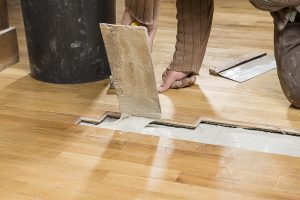
It happened on a Saturday afternoon. I was moving a heavy chair across my living room when — CRUNCH — I heard a small but alarming crack under my foot. Looking down, I saw a tiny but unmistakable hole in my wooden floor. At first, I panicked. Could this little hole spread and ruin the entire plank? Would I have to replace the whole floor?
After some research, a bit of trial and error, and practical hands-on work, I figured out a solution that was surprisingly simple. In this article, I’ll share my step-by-step approach to patching a hole in a floor easily, safely, and effectively. If you’ve ever faced a similar situation, this guide will help you fix it without stress, expensive tools, or professional help.
Understanding Floor Holes and Why They Happen
Before diving into the fix, it’s important to understand how holes occur and what types you might encounter. Knowing the cause makes repair easier and more permanent.
Common Causes of Floor Holes
- Accidental Impact: Dropping heavy objects like tools, cookware, or furniture can dent or puncture the surface. My hole came from a chair leg pressing down unexpectedly.
- Water Damage: Moisture can weaken wood or laminate over time, causing sections to rot and develop holes.
- Pet Damage: Dogs or cats digging or scratching can create small holes or gouges.
- Wear and Tear: Floors that have seen years of use, especially softwoods, are more prone to small dents and holes.
- Installation Errors: Improperly secured planks can sometimes develop gaps or weak spots that eventually form holes.
Knowing the cause helps determine the best repair method and prevents the problem from recurring.
Step-by-Step Solution: Patching a Floor Hole
Here’s how I repaired my hole. I’ve kept the steps beginner-friendly, practical, and tested on real-life situations.
Step 1: Clear the Area
The first thing I did was remove any furniture and debris around the damaged section. This ensures a clean working space and prevents accidental damage to other parts of the floor.
Tip: Always wear gloves if you’re handling splintered wood or rough edges to avoid injury.
Step 2: Clean the Hole
Before repairing, I cleaned the hole thoroughly. Dust, dirt, or small splinters can prevent filler from adhering properly.
- Used a vacuum or a small brush to remove debris
- Wiped around the area with a damp cloth, then let it dry completely
Pro Tip: Avoid soaking the area with water, especially for wooden floors. Moisture can weaken the repair.
Step 3: Choose the Right Repair Material
The next step is selecting a repair material suited to the hole size and floor type. There are several options:
- Wood Filler: Best for small to medium holes in hardwood or softwood floors. Easy to use and sandable.
- Epoxy Wood Repair Kit: Ideal for larger holes or areas that require a stronger, durable fix.
- Wax or Putty Sticks: Quick fixes for tiny surface holes or dents.
- Laminate Repair Kit: Specifically designed for laminate floors, often including colored putty or filler.
I chose a stainable wood filler that matched my oak floor. It was easy to apply and gave a professional finish after sanding.
Step 4: Apply the Filler
I followed these steps for application:
- Used a putty knife to press the filler into the hole, slightly overfilling it to account for shrinkage.
- Ensured the filler reached the bottom of the hole to create a strong bond.
- Smoothed the surface with the knife, removing excess material around the edges.
Tip: For deep holes, apply filler in layers, allowing each layer to dry before adding the next. This prevents cracking or unevenness.
Step 5: Let the Filler Dry
Drying time varies depending on the filler type. I let mine cure for a few hours, following the manufacturer’s instructions. Proper drying ensures the repair is durable and can be sanded or finished without crumbling.
Step 6: Sand the Surface Smooth
After the filler dried, I lightly sanded the area with fine-grit sandpaper (220–400 grit) to make it flush with the surrounding floor. This step is crucial for a seamless finish.
Pro Tip: Sand in a circular motion and avoid pressing too hard. Over-sanding can damage the surrounding wood.
Step 7: Restore the Finish
Finally, I restored the floor’s finish to match the surrounding area:
- Applied a matching wood stain if needed
- Used a clear varnish or polyurethane to seal the patch
- Buffed gently with a soft cloth for uniform sheen
The hole was virtually invisible, and the floor felt smooth underfoot.
Practical Tips and Mistakes to Avoid
Based on my experience, here are some tips to save time, money, and frustration:
Tip 1: Test Color Matches First
Wood fillers come in various shades. Always test on a hidden area to ensure a seamless match with your floor.
Tip 2: Avoid Rushing
Give the filler enough time to dry and cure. Rushing the process can cause cracking or uneven surfaces.
Tip 3: Clean Thoroughly Before Repair
Any dust or debris left in the hole can prevent adhesion and reduce the repair’s durability.
Tip 4: Use the Right Tools
A putty knife, sandpaper, and soft cloth are essential. Improvising with the wrong tools can create a messy finish.
Tip 5: Prevent Future Holes
- Use protective pads under furniture
- Avoid dragging heavy items
- Clean up spills immediately
- Maintain the floor regularly with polish or oil depending on the type
Real-Life Examples That Worked
- Kitchen Accident: A dropped pot caused a small dent. Wax stick repair worked perfectly for quick, temporary coverage.
- Living Room Hole: Chair legs created a medium-sized hole. Layered wood filler and sanding restored the floor flawlessly.
- Bedroom Gouge: Pet scratching caused a shallow hole. Colored putty stick repaired it instantly, blending well with the laminate finish.
These examples show that most holes, small or medium, can be patched quickly without replacing the entire floor.
When to Call a Professional
While DIY works for small to medium holes, call a professional if:
- The hole is very large or deep
- Water damage has compromised the surrounding wood
- Multiple planks are affected
- You have expensive or antique flooring that requires precise matching
A professional can ensure a seamless finish and long-lasting repair for complicated situations.
FAQs
Q1: Can I patch a hole myself without professional help?
Yes. Most small to medium holes can be repaired using wood filler, epoxy, or laminate repair kits with minimal tools.
Q2: How do I match the patch to my floor color?
Test the filler or putty on a hidden area first. Stainable fillers allow you to adjust the color for a perfect match.
Q3: Can a patch be sanded and finished like the rest of the floor?
Absolutely. Proper sanding and finishing ensure the patch blends seamlessly with surrounding boards.
Q4: How long does a patched floor hole last?
With proper application and finish, the repair can last years, resisting normal foot traffic and wear.
Q5: Can I prevent future holes?
Yes. Use furniture pads, avoid dragging heavy items, promptly clean spills, and maintain floors regularly.
Conclusion
What initially seemed like a disaster — a hole in my floor — turned out to be a simple fix with the right approach. By identifying the damage, choosing the correct filler, carefully applying and sanding, and restoring the finish, I patched the hole quickly and effectively.
This experience taught me that most floor holes don’t require costly replacements. With patience, the right materials, and attention to detail, you can restore your floor’s beauty and durability. A small hole doesn’t have to become a major problem — sometimes all it takes is a little know-how, a putty knife, and some elbow grease.