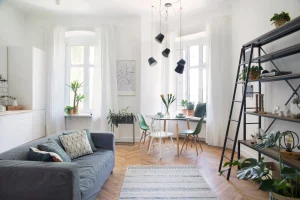
When I first moved into my studio apartment, I was excited about living in a trendy, city-center location. But the excitement quickly wore off when I realized how little space I actually had. My bed, desk, and kitchen all shared the same room, and even walking across the apartment felt like an obstacle course. I was drowning in clutter, constantly bumping into furniture, and wondering how people could possibly live comfortably in a space so small.
Over time, I discovered that maximizing space in a studio apartment isn’t about luck or magic—it’s about strategy, creativity, and using every inch efficiently. In this article, I’ll share the step-by-step methods I used to transform my cramped studio into a functional, comfortable, and visually spacious home.
Understanding the Studio Apartment Problem
Studio apartments come with unique challenges. Living in a single room that functions as a bedroom, living area, and workspace requires intentional organization. Here’s what made my apartment feel so crowded:
- Limited floor space: A studio often has just a few hundred square feet, so each piece of furniture can feel oversized.
- Clutter accumulation: Items quickly pile up when there’s no separate storage space.
- Lack of defined zones: Without clear separation, sleeping, cooking, and working all compete for space.
- Poor vertical usage: Many people, myself included initially, overlook walls and corners for storage.
- Visual chaos: Too many colors, patterns, and objects make a small space feel smaller than it is.
Understanding these issues helped me tackle them strategically rather than trying random fixes.
Step 1: Decluttering and Prioritizing Essentials
The first step to maximizing space was confronting my possessions. I realized that I was keeping a lot of items that I rarely used.
- Empty the apartment: I removed everything from the room to see how much space I actually had.
- Sort by necessity: I divided items into “Keep,” “Store,” and “Donate.” Only the essentials stayed in my living space.
- Adopt minimalism gradually: I didn’t have to get rid of everything at once, but I focused on what truly added value.
- Use multifunctional items: For instance, I kept furniture that served more than one purpose—like a bed with storage underneath or a foldable desk.
This process freed up significant space and made my studio feel instantly less claustrophobic.
Step 2: Define Zones Within the Studio
In a studio, every square foot serves multiple purposes. I needed clear zones to avoid visual and functional chaos.
- Sleeping zone: My bed was placed in a corner, separated with a lightweight room divider. This created a sense of privacy and defined the sleeping area.
- Work zone: I set up a small desk near the window for natural light, keeping office supplies organized in wall-mounted shelves.
- Living area: A small loveseat and coffee table defined my relaxation area without overwhelming the room.
- Kitchen zone: Even in a small kitchenette, I used hooks and shelving to keep countertops clear and functional.
Defining zones visually and functionally created order and made the studio feel larger.
Step 3: Utilize Vertical Space
One of the biggest mistakes I made initially was ignoring vertical space. Once I started thinking upward, the room transformed.
- Floating shelves: These became essential for books, decorative items, and kitchen essentials.
- Tall storage units: I used cabinets and shelves that reached the ceiling to store rarely used items.
- Hooks and wall racks: Scarves, hats, and kitchen utensils hung neatly, freeing up drawers and counters.
- Over-the-bed storage: A storage headboard allowed me to keep bedding and personal items within reach but out of sight.
Vertical space usage dramatically increased my storage capacity without crowding the floor.
Step 4: Choose Multi-Functional Furniture
In a studio, each piece of furniture must earn its keep. I invested in items that performed multiple functions.
- Sofa bed: My loveseat doubled as a guest bed when needed.
- Foldable tables: A dining table that folded into the wall became both a workspace and a dining area.
- Ottomans with storage: These served as seating, a footrest, and storage for blankets and electronics.
- Nesting tables: Perfect for entertaining or holding drinks and snacks without taking permanent space.
Every multi-purpose item reduced clutter and increased usable space.
Step 5: Keep the Floor Clear
Floor space makes a studio feel open and accessible.
- Wall-mounted TV: This eliminated the need for a bulky entertainment unit.
- Floating desks or wall-mounted workspaces: Instead of a traditional desk, I installed a fold-down workspace.
- Under-bed storage: Drawers and containers under the bed became storage for clothes, shoes, and extra linens.
- Minimal rugs: Large, heavy rugs can make the floor feel crowded, so I used a single area rug to define the living area.
Clearing the floor not only made the studio feel bigger but also reduced tripping hazards and visual clutter.
Step 6: Use Light, Color, and Mirrors
Visual tricks play a huge role in making small spaces feel larger.
- Light colors: White, cream, and soft pastels reflected light and expanded the room visually.
- Mirrors: A large mirror opposite the window reflected sunlight and created the illusion of depth.
- Consistent color palette: Limiting furniture and décor to similar tones prevented a chaotic look.
- Natural light: I removed heavy curtains in favor of sheer panels to allow maximum daylight.
These adjustments created a sense of openness and brightness, making the studio more inviting.
Step 7: Maintain Organization Daily
Even after transforming the space, the studio could quickly revert to chaos without consistent habits.
- Daily tidy-up: I spend 10 minutes each evening returning items to their designated zones.
- Weekly deep clean: A weekly check of shelves, floors, and storage units keeps clutter from accumulating.
- Seasonal rotation: I rotate clothes and décor, storing off-season items in high cabinets or under-bed storage.
- Mindful acquisition: I ask myself whether a new purchase truly replaces something or adds clutter.
These routines ensure the studio remains functional and enjoyable long-term.
Practical Tips and Mistakes to Avoid
Here are key lessons I learned while maximizing space:
- Avoid bulky furniture: Large pieces dominate small spaces and limit flexibility.
- Think vertical: Shelves, hooks, and cabinets can hold a lot without using floor space.
- Invest in multifunctional furniture: One piece serving multiple purposes saves both money and space.
- Keep surfaces clear: Countertops, tables, and floors should remain uncluttered.
- Consistency is key: Daily habits prevent a small apartment from feeling cramped again.
Following these tips made a huge difference in my comfort and productivity.
Real-Life Examples
- I replaced my traditional desk with a fold-down wall desk, creating both workspace and open floor space.
- Floating shelves in the kitchen and living areas freed up counter and floor space.
- A storage ottoman became my coffee table, extra seating, and a place to store blankets.
- Mirrors across from windows made the studio feel much larger than its 400 square feet.
- Using hooks for jackets and bags prevented them from piling up in corners.
These simple changes compounded to create a studio that felt organized, spacious, and functional.
FAQs
Q1: How can I make a small studio apartment feel bigger?
A1: Declutter, define zones, use vertical storage, choose multifunctional furniture, and maximize natural light.
Q2: What furniture works best in a studio apartment?
A2: Slimline sofas, sofa beds, foldable tables, nesting tables, ottomans with storage, and wall-mounted desks.
Q3: How can I keep a studio apartment organized long-term?
A3: Daily tidying, weekly organization checks, seasonal rotations, and mindful purchasing habits maintain order.
Q4: Can mirrors and light really make a studio feel bigger?
A4: Yes. Mirrors reflect light and create the illusion of depth, while light-colored walls and furniture visually expand the space.
Q5: What’s the best way to handle storage in a studio apartment?
A5: Use vertical shelving, under-bed storage, hooks, over-door racks, and multi-purpose furniture with hidden compartments.
Conclusion
Maximizing space in a studio apartment isn’t impossible—it just requires strategy, creativity, and daily habits. By decluttering, defining zones, using vertical space, investing in multifunctional furniture, and applying smart visual tricks like light colors and mirrors, I transformed my cramped studio into a functional, comfortable, and aesthetically pleasing home.
The key takeaway is intentionality: every item, piece of furniture, and habit should serve a purpose. With these practical strategies, anyone can make a small studio feel spacious, organized, and truly livable.