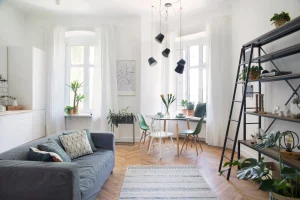
When I first moved into my tiny apartment, I was thrilled by the idea of living in a cozy space. But that excitement quickly faded when I realized how cramped my bedroom felt. The walls seemed to close in, my furniture took up every inch, and even walking from the bed to the dresser felt like navigating an obstacle course. If you’ve ever looked around your small room and felt suffocated by the space, you know exactly what I mean. Over time, though, I discovered practical strategies that made my small room feel not just livable, but airy and inviting. In this article, I’m sharing the exact steps I took to transform my tiny room into a spacious haven.
Understanding Why Small Rooms Feel Cramped
Before I could fix the problem, I had to understand it. Small rooms often feel smaller than they actually are because of a combination of factors:
- Clutter accumulation: Even a few extra items can make a small space feel chaotic.
- Bulky furniture: Large or oddly shaped furniture blocks flow and makes a room feel tight.
- Poor layout: Placing furniture without considering walking paths or natural light can shrink the perception of space.
- Visual distractions: Dark colors, heavy curtains, and too many decorations can make walls feel closer than they are.
Recognizing these issues was a game-changer. Once I knew what was causing the problem, I could implement solutions that actually worked.
Step 1: Declutter and Keep Only Essentials
The first and most important step I took was decluttering. This isn’t about tossing everything—it’s about keeping only what you truly need and love.
- Start small: I began with a single drawer, then a closet, and eventually tackled the entire room.
- Three-box method: I used “Keep,” “Donate,” and “Trash” boxes. Being honest about what I actually used helped me part with unnecessary items.
- Sentimental items: I kept only items that brought me joy, and for things I couldn’t bear to part with, I stored them digitally or in an organized box.
The immediate effect was noticeable. Even removing just a few items from surfaces and floors made the room feel lighter and more open.
Step 2: Maximize Vertical Space
One of my biggest realizations was that I had been ignoring vertical storage. In small rooms, the walls are your best friend.
- Floating shelves: Installing shelves above the bed and dresser gave me storage without taking up floor space. I could store books, decor, and small essentials neatly.
- Hooks and wall organizers: Wall-mounted hooks for bags, hats, and accessories freed up drawers and surfaces instantly.
- Tall furniture: A tall bookshelf or wardrobe utilizes height, not width, giving you storage without crowding the room.
Vertical solutions make the floor feel open, which automatically gives the room a sense of spaciousness.
Step 3: Smart Furniture Choices
Furniture in a small room can either make or break the space. I learned to pick pieces that serve multiple purposes.
- Bed with storage: Switching to a bed with built-in drawers saved me a ton of space for clothes and linens.
- Foldable or expandable tables: A desk that folds against the wall became my workspace without permanently taking up room.
- Minimalist designs: Sleek, low-profile furniture created an open feel compared to bulky, ornate pieces.
Choosing furniture wisely allowed me to maintain functionality while keeping the room visually light.
Step 4: Optimize Layout and Flow
Even with decluttering and smart furniture, a poorly arranged room can feel cramped. Rearranging furniture was a revelation.
- Clear walking paths: I ensured there was a direct path from the door to the bed and other essentials.
- Floating placement: Occasionally, I left gaps between furniture and walls, which helped the room “breathe.”
- Zone creation: I separated areas for sleeping, dressing, and work. This made the space feel organized and purposeful.
A thoughtful layout is one of the simplest ways to make a room feel bigger without spending money.
Step 5: Use Light and Color Wisely
Lighting and color have a huge impact on perception of space. My room felt cramped until I tackled these factors.
- Natural light: I removed heavy curtains and replaced them with sheer panels to let sunlight flood the room.
- Lighter wall colors: Soft whites, pastels, and neutral tones instantly made walls recede.
- Mirrors: Strategically placing a mirror across from a window reflected light and created the illusion of depth.
Even small changes, like swapping a dark lampshade for a light one, contributed to a brighter, airier atmosphere.
Step 6: Minimalist Decor
Decor can enhance a room, but too much of it can make a space feel cluttered. I found a minimalist approach works best.
- Single statement piece: I chose one artwork as a focal point instead of multiple pieces crowding the walls.
- Functional decor: Items like storage baskets or decorative boxes added personality while serving a purpose.
- Clear surfaces: Keeping desks, dressers, and nightstands mostly empty maintained a sense of openness.
Minimalist decor allowed me to personalize my room without compromising space.
Step 7: Maintain Consistency
The final step is maintaining these changes. A small room can quickly return to feeling cramped without ongoing effort.
- Daily reset: I spend 5–10 minutes each day putting things back in their place.
- Monthly review: Once a month, I reassess my belongings and storage solutions.
- Smart purchasing: Before bringing new items in, I ask if they replace something else or are truly necessary.
Consistency is key. Over time, these habits became second nature, and the room stayed spacious without constant effort.
Practical Tips and Mistakes to Avoid
Here’s what I learned the hard way and what you should keep in mind:
- Don’t keep items “just in case”: If you haven’t used it in months, you probably don’t need it.
- Avoid oversized furniture: Large pieces in a small room can overwhelm the space.
- Use vertical space: Floor space is limited, so always look up.
- Don’t ignore lighting: Dim or blocked lighting makes even large rooms feel small.
- Maintain daily habits: Small daily resets prevent clutter from building up again.
These insights helped me avoid setbacks and maintain a room that feels spacious and functional.
Real-Life Examples
- I replaced my bulky dresser with a tall, narrow wardrobe. It held all my clothes and freed up floor space.
- Adding a floor-length mirror across from my window reflected light, making the room feel twice its size.
- Using under-bed storage for out-of-season items kept clutter off the floor and surfaces, instantly making the room feel open.
- My desk doubled as a vanity because of a foldable chair and wall-mounted mirror, eliminating the need for extra furniture.
These small, intentional changes had a major impact on the overall feel of my room.
FAQs
Q1: Can a small room really feel spacious without moving to a bigger apartment?
A1: Absolutely. By decluttering, optimizing layout, using vertical storage, and improving lighting, a small room can feel open and airy.
Q2: What’s the easiest furniture upgrade for a small room?
A2: A bed with storage or multi-functional furniture like foldable desks and nesting tables provides maximum utility with minimal space usage.
Q3: How do I make a dark, tiny room feel brighter?
A3: Use sheer curtains, add mirrors to reflect light, and opt for light wall colors to make the space feel brighter and larger.
Q4: How can I maintain a clutter-free room long-term?
A4: Daily resets, monthly decluttering reviews, and mindful purchasing habits prevent clutter from accumulating again.
Q5: Are decorative items bad for small rooms?
A5: Not at all. Choose functional or minimalist decor, keep surfaces mostly clear, and focus on one or two statement pieces rather than overcrowding.
Conclusion
Making a small room feel spacious isn’t about magic—it’s about intentional choices. Decluttering, maximizing vertical space, using multi-functional furniture, optimizing layout, leveraging light, and maintaining consistent habits all work together to create a room that feels open, functional, and welcoming.
When I implemented these strategies, my once-cramped room transformed into a place where I could relax, work, and sleep without feeling boxed in. The key takeaway is this: small rooms can feel big when you think smartly, act intentionally, and maintain your systems consistently.
By following these practical tips and avoiding common mistakes, you can turn your own small room into a spacious, airy retreat that feels much larger than its square footage.