When I first moved into my apartment, I was excited about the layout, the location, and even the charm of the older building. But there was one problem that quickly became impossible to ignore: the apartment felt dark. Natural light barely reached the far corners, and the overhead lights weren’t bright enough to compensate.
I found myself squinting while cooking, straining my eyes at my desk, and constantly turning on every lamp I owned just to make the space usable. Even when friends visited, they commented on how gloomy the apartment felt. I knew I needed a change, but I didn’t want to spend a fortune on renovations or fancy lighting systems.
Through trial, error, and a bit of research, I discovered simple, practical fixes that completely transformed the apartment. Now it feels bright, inviting, and much more spacious. Here’s exactly how I did it, step by step.
Understanding Why Apartments Feel Dark
Before attempting any fixes, I needed to understand why my apartment felt so dim. This helped me tackle the right problem areas.
Limited Natural Light
My apartment faced north, meaning sunlight only reached the windows indirectly. Heavy curtains and dark walls further blocked whatever little light came in. Apartments in urban areas often suffer the same issue: surrounding buildings can cast shadows, limiting sunlight.
Outdated or Inefficient Lighting
Many of the fixtures in my apartment were old, low-wattage bulbs that produced warm, yellowish light. While cozy, this made the space feel smaller and darker.
Poor Layout and Reflective Surfaces
Dark furniture, rugs, and walls absorbed light instead of reflecting it. Additionally, my layout had many corners and narrow hallways, which created shadowy areas that felt gloomy even when lights were on.
Clutter Blocking Light
At first, I didn’t realize that stacked furniture, piles of books, and heavy curtains blocked light from spreading. Even small changes like rearranging furniture can make a huge difference in how light travels.
Step-by-Step Solutions That Worked for Me
After understanding the issues, I implemented a structured approach. Here’s what worked:
Step 1: Maximize Natural Light
Natural light is free and instantly improves the feel of a room. I did the following:
- Remove heavy curtains: I replaced them with sheer, light-colored panels that let sunlight through while maintaining privacy.
- Reposition furniture: I moved large pieces away from windows to allow light to flow deeper into the apartment.
- Clean windows: Dirt and dust can reduce light by up to 20%, so I cleaned all the windows thoroughly.
- Use mirrors strategically: I placed mirrors opposite windows to bounce sunlight into darker corners. Even small mirrors near desks or in hallways helped brighten the space.
These small changes immediately made rooms feel lighter and more open.
Step 2: Upgrade Lighting Fixtures
Next, I tackled artificial lighting:
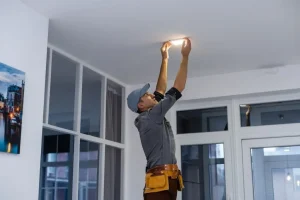
- Replace outdated bulbs: I switched all old incandescent and low-wattage bulbs with LED bulbs that offered brighter, consistent light.
- Choose the right color temperature: For general living areas, I picked neutral white LEDs (4000–4500K). For bedrooms and cozy corners, I used warm white (2700–3000K).
- Layer lighting: I added floor lamps, table lamps, and under-cabinet lights in the kitchen. Layering light prevents shadows and makes a space feel larger.
One noticeable change was replacing the dim hallway light with a bright LED fixture. Suddenly, the narrow corridor felt wide and welcoming instead of dark and cramped.
Step 3: Paint and Decor Adjustments
Walls and decor play a huge role in how light reflects:
- Lighter wall colors: I painted darker walls in neutral shades like soft beige and light gray. These colors reflect light instead of absorbing it.
- Light-colored furniture and rugs: I replaced a dark rug with a pale one and added cushions in lighter tones. This made the space feel airy.
- Glossy or semi-gloss finishes: I used semi-gloss paint on certain walls, which helped reflect light without creating glare.
Even small tweaks, like adding white or reflective picture frames, contributed to a brighter overall appearance.
Step 4: Declutter and Reorganize
Clutter blocks light and makes spaces feel smaller. I spent time:
- Removing unnecessary furniture that blocked pathways and windows
- Clearing off tables and countertops
- Using storage solutions to hide items that didn’t need to be out in the open
With less clutter, light traveled more freely, and the apartment immediately felt more open.
Step 5: Strategic Use of Mirrors and Reflective Surfaces
Mirrors and reflective surfaces can multiply light sources:
- Mirrors across from windows: Bounced sunlight into darker rooms
- Glass or acrylic furniture: Allowed light to pass through rather than block it
- Metallic accents: Lightly reflective surfaces on lamps, picture frames, and decor subtly boosted brightness
I noticed even small mirrors on shelves brightened corners that previously seemed gloomy.
Step 6: Smart Lighting Controls
Finally, I implemented simple smart lighting:
- Dimmer switches: Allowed me to adjust brightness without changing bulbs
- Smart bulbs: I could control color temperature and intensity throughout the day
- Timers and sensors: Ensured lights were on when needed, preventing dark periods in hallways and entryways
This added flexibility made my apartment feel consistently well-lit without wasting electricity.
Practical Tips, Mistakes to Avoid, and Real Insights
Here’s what I learned and what I wish I had known before starting:
Tip 1: Prioritize Natural Light First
Nothing beats sunlight. Maximize window access before spending money on new bulbs or fixtures.
Tip 2: Layer Light Sources
Single overhead lights are rarely sufficient. Combine ceiling fixtures, floor lamps, and task lighting to eliminate shadows.
Tip 3: Choose LED Bulbs Wisely
Cheap LEDs can flicker or have inconsistent brightness. Invest in reliable brands with correct wattage and color temperature.
Tip 4: Declutter to Let Light Flow
Even minor clutter can absorb or block light. Open, clear spaces immediately feel brighter.
Tip 5: Use Mirrors Strategically
Place mirrors to reflect windows, not other walls, for maximum effect.
Tip 6: Avoid Dark or Heavy Furniture in Small Spaces
Dark furniture absorbs light, making rooms feel smaller. Light-colored or reflective pieces help amplify brightness.
Real-Life Examples That Worked for Me
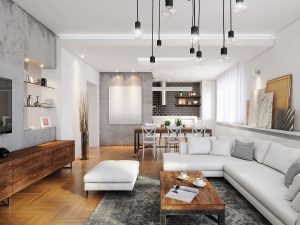
- Living Room: Dark curtains replaced with sheer white panels, LED ceiling bulbs, and a strategically placed mirror. Result: brighter, open, and inviting space.
- Kitchen: Under-cabinet LED strips replaced harsh shadows with even illumination. Cooking became easier and safer.
- Hallways: Previously narrow and gloomy, the hallways now have bright LED fixtures and reflective artwork, making them feel wider.
- Bedroom: Swapping dark bedding and furniture for lighter tones and adding a floor lamp improved both mood and visibility.
Small, cumulative changes transformed my entire apartment without major renovations.
FAQs
Q1: Will changing paint colors really make a difference?
Yes. Lighter walls reflect light, making rooms feel larger and brighter. Neutral shades are the safest choice.
Q2: Can mirrors actually improve lighting?
Absolutely. Placing mirrors opposite windows or light sources bounces light into darker corners.
Q3: Do LED bulbs work better than incandescent?
Yes. LEDs are brighter, energy-efficient, and maintain consistent light over time.
Q4: How can I brighten a dark apartment without remodeling?
Maximize natural light, replace old bulbs, add layered lighting, declutter, use reflective surfaces, and adjust furniture placement.
Q5: Should I invest in smart lighting for brightness?
Smart lighting isn’t essential but offers flexibility. Adjustable color temperature, dimmers, and timers can significantly enhance comfort and brightness.
Conclusion
Brightening my apartment didn’t require expensive renovations or complicated installations. By understanding the issues—limited natural light, outdated bulbs, poor layout, and clutter—and implementing simple fixes, I transformed my living space.
Key steps included maximizing sunlight, replacing old bulbs, layering light sources, choosing reflective surfaces, decluttering, and smart use of mirrors. Each change alone was minor, but together they made my apartment feel spacious, warm, and welcoming.
If your apartment feels dark or cramped, start with these practical solutions. Often, the simplest fixes—like new bulbs or rearranging furniture—have the biggest impact, creating a bright, cheerful home you’ll enjoy every day.