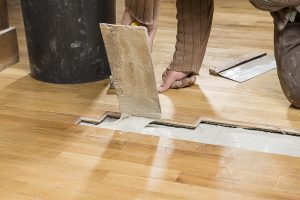
Floors quietly carry the weight of our daily lives. We walk on them, drag furniture across them, spill things on them, and sometimes forget they even exist—until something goes wrong. A cracked tile, squeaky wooden board, or lifting laminate can instantly make your home feel worn out.
I learned this the hard way when the floor in my living room started making a loud squeaking sound every time someone walked across it. At first, I ignored it. Then the squeak got louder. Soon, one of the boards started lifting slightly, and guests began noticing it.
That moment forced me to learn something many homeowners eventually face: floors don’t stay perfect forever. The good news is that most floor problems can be repaired without replacing the entire floor.
In this guide, I’ll walk you through realistic floor repair solutions, based on practical experience, that can help you fix common floor issues step-by-step.
Understanding Common Floor Problems
Before repairing a floor, it’s important to understand what caused the damage in the first place. Different flooring materials develop different types of problems.
1. Squeaky Wooden Floors
Squeaks usually happen when wooden boards rub against each other or the subfloor underneath.
Common causes include:
-
Loose nails
-
Humidity changes
-
Warped wood
-
Weak subfloor support
While squeaks may seem minor, they often indicate a loose structural connection beneath the floor.
2. Cracked or Broken Tiles
Tile floors are durable, but cracks can happen because of:
-
Heavy furniture impact
-
Subfloor movement
-
Poor installation
-
Temperature changes
One cracked tile can ruin the look of the entire floor, but thankfully it’s usually easy to replace.
3. Lifting or Warped Laminate Flooring
Laminate floors sometimes lift or bubble due to:
-
Moisture exposure
-
Incorrect installation
-
Lack of expansion gaps
This is especially common in kitchens or entryways.
4. Scratched Hardwood Floors
Hardwood floors are beautiful but prone to scratches from:
-
Pets
-
Furniture legs
-
High foot traffic
-
Dirt particles acting like sandpaper
Minor scratches can often be repaired without sanding the entire floor.
Step-by-Step Floor Repair Solutions
Now let’s walk through practical repair methods you can follow at home.
Fixing Squeaky Wooden Floors
Squeaky floors were the first problem I had to solve in my house. Fortunately, this repair is easier than most people think.
Step 1: Locate the Squeak
Walk slowly across the floor and mark the exact location where the squeak occurs.
Use painter’s tape or chalk to mark it.
Step 2: Secure the Loose Board
The most common fix is adding screws to secure the board to the subfloor.
Tools needed:
-
Drill
-
Wood screws
-
Stud finder
Drill the screw through the floorboard into the floor joist below.
This prevents movement that causes the squeak.
Step 3: Fill the Screw Hole
Once the board is secured:
-
Use wood filler to cover the screw hole
-
Lightly sand it
-
Apply matching wood stain
After repair, the squeak should disappear completely.
Repairing Cracked Tile Flooring
Replacing a single tile is one of the most satisfying home repairs.
Step 1: Remove the Damaged Tile
Use a hammer and chisel to carefully break the cracked tile.
Start from the center and move outward to avoid damaging nearby tiles.
Step 2: Clean the Area
Remove all old adhesive and grout.
A clean surface ensures the new tile sits properly.
Step 3: Apply Tile Adhesive
Spread tile adhesive evenly using a notched trowel.
Then place the new tile into position.
Press firmly and ensure it’s level with surrounding tiles.
Step 4: Re-grout the Tile
After the adhesive dries (usually 24 hours):
-
Apply grout between the tile joints
-
Wipe excess grout with a damp sponge
Once finished, the repair should blend perfectly with the rest of the floor.
Fixing Warped or Lifting Laminate Flooring
Laminate floors can look terrible when they start lifting, but many cases can be fixed without removing the entire floor.
Step 1: Identify Moisture Source
If moisture caused the problem, fix the source first.
Examples include:
-
Leaking pipes
-
Wet mopping
-
Humid environments
Without solving this, the problem will return.
Step 2: Remove Affected Planks
Laminate planks usually click together, making removal easier.
Start from the nearest wall and carefully unlock the boards.
Step 3: Replace or Reinstall Boards
If boards are not permanently damaged, reinstall them.
Otherwise replace them with matching planks.
Always leave proper expansion gaps near walls.
This prevents future warping.
Repairing Scratched Hardwood Floors
Scratches are one of the most common complaints about hardwood flooring.
Fortunately, most are cosmetic.
Minor Scratches
Use a wood touch-up marker that matches your floor color.
Simply color the scratch and wipe away excess.
Medium Scratches
Apply a wood repair wax stick.
Rub the wax into the scratch and buff with a cloth.
Deep Scratches
Deep damage may require:
-
Light sanding
-
Wood filler
-
Refinishing
But this should only be done on small areas to avoid uneven flooring.
Practical Floor Maintenance Tips
After repairing floors, proper maintenance prevents future damage.
1. Use Furniture Pads
Furniture legs can scratch floors quickly.
Attach felt pads under:
-
Chairs
-
Sofas
-
Tables
This small step saves expensive repairs.
2. Clean Floors the Right Way
Different flooring materials need different cleaning methods.
For example:
-
Hardwood → Dry mop or damp cloth
-
Tile → Mild cleaning solution
-
Laminate → Avoid excess water
Too much water is a common cause of floor damage.
3. Control Indoor Humidity
Wood floors expand and contract with humidity changes.
Using a humidifier or dehumidifier helps stabilize the environment.
Ideal indoor humidity: 40–60%.
4. Use Entry Mats
Many floor scratches come from dirt and sand brought inside.
Placing mats near entrances can significantly reduce damage.
Common Floor Repair Mistakes to Avoid
Through trial and error, I learned that certain mistakes can make repairs worse.
Ignoring Small Damage
Small cracks or squeaks often grow into bigger problems.
Early repairs are usually quick and inexpensive.
Using the Wrong Materials
Each floor type needs specific products.
For example:
-
Hardwood filler for wood floors
-
Flexible grout for tile repairs
-
Laminate repair kits for laminate floors
Using the wrong product may cause visible patches.
Skipping Subfloor Inspection
Sometimes the visible damage isn’t the real issue.
A weak or damaged subfloor can cause recurring problems.
If repairs keep failing, check beneath the surface.
When to Call a Professional
While many floor repairs are DIY-friendly, some situations require expert help.
Consider hiring a professional if:
-
Large sections of flooring are damaged
-
Subfloor is rotting
-
Structural issues exist
-
Floors are severely uneven
A professional inspection can prevent costly long-term problems.
Real Example: Fixing My Living Room Floor
When my living room floor began squeaking, I initially thought the whole floor needed replacement.
But after researching and testing a few simple fixes:
-
I located the squeaky boards.
-
Secured them with screws into the joists.
-
Filled and sanded the holes.
The entire repair took less than two hours and cost under $20.
That experience taught me something important:
Most floor problems look worse than they actually are.
With the right approach, many can be fixed quickly and affordably.
FAQs About Floor Repair Solutions
1. What is the cheapest way to repair damaged floors?
The cheapest solution depends on the flooring type. Minor repairs like wood filler, tile replacement, or tightening loose boards usually cost under $50 if done yourself.
2. Can squeaky floors be fixed without removing flooring?
Yes. In many cases, you can fix squeaks by securing boards with screws or applying lubricant between boards without removing the entire floor.
3. How do I know if my subfloor is damaged?
Signs include:
-
Soft or bouncy floors
-
Persistent squeaking
-
Tiles cracking repeatedly
These often indicate subfloor issues.
4. Is it better to repair or replace damaged flooring?
Small areas should usually be repaired. Replacement is only necessary when large sections are severely damaged or structurally unsafe.
5. How long do floor repairs usually last?
When done correctly, floor repairs can last many years. Proper maintenance greatly extends the lifespan of the repair.
Conclusion: Restoring Your Floor Without Replacing It
Floor damage can feel frustrating, especially when it affects the look and comfort of your home. But most problems—whether it’s a squeaky board, cracked tile, or scratched hardwood—have practical solutions that don’t require expensive renovations.
The key is identifying the real cause, choosing the right repair method, and acting early before damage spreads.
From personal experience, the biggest lesson I learned is this: floor repairs are often simpler than they seem. With a few tools, some patience, and the right approach, you can restore your floors and make your home feel solid and comfortable again.
If you notice small signs of floor damage today, don’t ignore them. Fixing them early can save time, money, and a lot of frustration later.