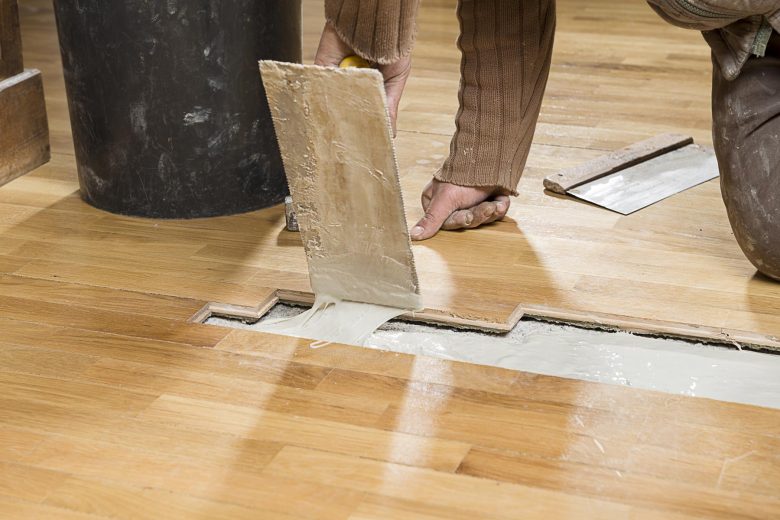
Damaged floors are a common problem in homes—whether it’s cracks in tiles, scratches in wood, or uneven concrete. Over time, daily wear, moisture, and heavy use can lead to visible damage that affects both appearance and safety.
The good news? Most flooring issues can be repaired without replacing the entire floor. With the right techniques and materials, you can restore your floors and extend their lifespan.
In this guide, I’ll walk you through practical, real-world floor repair solutions for different floor types, along with step-by-step fixes and prevention tips.
Understanding Different Types of Floor Damage
Before fixing anything, it’s important to identify the type of damage:
-
Cracks: Common in tiles and concrete due to pressure or temperature changes
-
Scratches and dents: Usually found in wooden floors
-
Loose tiles or boards: Caused by weak adhesive or subfloor issues
-
Water damage: Leads to swelling, warping, or mold
-
Uneven surfaces: Often caused by poor installation or structural movement
Small issues may seem harmless, but they can worsen if ignored. Cracks, for example, can expand and become safety hazards over time .
Floor Repair Solutions by Material
1. Tile Floor Repair
Tile floors are durable but prone to cracking if the subfloor is unstable or under stress.
Common Problems
-
Cracked or chipped tiles
-
Loose tiles
-
Damaged grout
How to Fix Cracked Tiles
Step-by-step:
-
Remove the damaged tile carefully
-
Clean the surface and remove old adhesive
-
Apply fresh tile adhesive
-
Place the new tile and align it
-
Fill gaps with grout and let it dry
For small hairline cracks:
-
Use epoxy or ceramic filler
-
Smooth and polish after drying
Pro Tip
Tile cracks often occur due to poor subfloor preparation or lack of expansion joints . Fixing the base prevents future damage.
2. Wooden Floor Repair
Wood floors are beautiful but sensitive to moisture and impact.
Common Problems
-
Scratches and dents
-
Gaps between boards
-
Warping from water
Fixing Scratches and Gaps
-
Clean the damaged area
-
Apply wood filler matching the color
-
Let it dry and sand smoothly
-
Refinish or polish if needed
Fixing Warped Wood
-
Identify and fix moisture source first
-
Replace severely damaged boards
-
Use a dehumidifier to prevent recurrence
Real Insight
In my experience, small scratches can be fixed in minutes, but ignoring moisture damage often leads to expensive repairs later.
3. Concrete Floor Repair
Concrete floors are strong but prone to cracks and surface wear.
Common Problems
-
Hairline or deep cracks
-
Holes or surface damage
-
Uneven flooring
How to Repair Cracks
Simple method:
-
Clean the crack thoroughly
-
Apply bonding adhesive
-
Fill with epoxy or polyurethane filler
-
Smooth and level the surface
Flexible fillers are preferred because they adapt to movement and prevent re-cracking .
For Larger Damage
-
Use cement-based or polymer-modified repair mortars
-
Apply with a trowel and smooth the surface
Floor patching is one of the most effective ways to restore strength and prevent further deterioration .
4. Laminate & Vinyl Floor Repair
These modern flooring types are easy to maintain but harder to repair invisibly.
Common Problems
-
Scratches or peeling
-
Water damage
-
Lifting edges
Fixes
-
Use repair kits for scratches
-
Replace damaged planks (click-lock systems make this easier)
-
Avoid excessive moisture to prevent swelling
5. Grout and Joint Repairs
Damaged grout can make floors look old and allow water to seep in.
Solution
-
Remove old grout carefully
-
Clean joints thoroughly
-
Apply new grout and seal it
Expansion joints should be sealed with flexible materials to handle movement and prevent cracking .
Essential Tools for Floor Repair
Having the right tools makes the process easier:
-
Putty knife or trowel
-
Sandpaper or grinder
-
Adhesive or filler materials
-
Grout and sealant
-
Cleaning cloths and brushes
Quick DIY Fixes You Can Try
If you’re short on time, these quick fixes work well:
-
Use caulk to fill small cracks or gaps
-
Tighten loose boards or tiles
-
Apply polish or wax for minor scratches
-
Use rugs or mats to protect damaged areas
Flexible materials like caulk can temporarily seal cracks and prevent further damage .
Common Mistakes to Avoid
-
Ignoring small cracks or damage
-
Using the wrong filler or adhesive
-
Skipping surface cleaning before repair
-
Not fixing underlying issues like moisture or weak subfloors
-
Overloading damaged floors
Avoiding these mistakes ensures long-lasting repairs.
When to Repair vs Replace
Repair if:
-
Damage is minor or localized
-
Floor structure is still strong
-
Cost of repair is low
Replace if:
-
Large areas are damaged
-
Subfloor is unstable
-
Repairs keep recurring
Sometimes, patching and refinishing can extend floor life by years instead of replacing it entirely.
Preventing Future Floor Damage
-
Clean floors regularly to prevent buildup
-
Use protective pads under furniture
-
Avoid excess moisture exposure
-
Fix leaks immediately
-
Ensure proper installation and subfloor support
Early maintenance can extend floor life significantly and reduce repair costs.
Real-Life Example
A homeowner noticed small cracks in their concrete floor. Instead of ignoring them, they:
-
Cleaned and filled cracks with epoxy
-
Applied a sealant to protect the surface
-
Regularly maintained the floor
Result: The floor remained stable and avoided major repairs for years.
Final Thoughts
Floor damage is inevitable, but it doesn’t always mean replacement. With the right approach, tools, and materials, most issues—whether cracks, scratches, or uneven surfaces—can be repaired effectively.
By understanding the type of flooring, fixing problems early, and maintaining surfaces regularly, you can keep your floors strong, safe, and visually appealing for years.