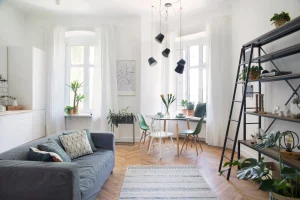
Living in a small space can be challenging. Whether it’s a cozy studio apartment, a tiny home, or just a room that feels cramped, the struggle to balance comfort, style, and functionality is real. I’ve been there—staring at my crowded living room, tripping over piles of things, and wishing there were more space to breathe. But after months of trial, error, and experimentation, I discovered practical strategies that transformed my small space into a functional, stylish haven. In this guide, I’ll share step-by-step solutions, tips, and real-life insights so you can make the most of your limited square footage.
Why Small Spaces Feel So Overwhelming
Before diving into solutions, it’s important to understand why small spaces often feel chaotic:
-
Limited storage: Closets, cabinets, and shelves fill up quickly. Without proper organization, clutter accumulates.
-
Poor layout: Many small spaces are not designed for functionality. Furniture placement can make a room feel smaller than it is.
-
Too many belongings: It’s easy to hang on to things “just in case,” but every extra item adds visual and physical clutter.
-
Lighting issues: Dark corners and insufficient lighting make spaces feel cramped.
Recognizing these challenges is the first step to solving them. Once you know why your small space feels overwhelming, it’s easier to implement strategies that work.
Step-by-Step Small Space Solutions
Here’s a practical, beginner-friendly plan that I personally used to transform my small apartment.
1. Declutter Strategically
Decluttering is the cornerstone of small space living. I started by taking everything out of my room and asking myself: “Do I really need this?”
Actionable steps:
-
Sort items into three piles: Keep, donate, discard.
-
Ask critical questions: Have you used this in the past year? Does it bring joy or serve a practical purpose?
-
Use storage limits: If your closet or drawer is full, don’t keep extra items—this creates natural boundaries.
Example: I had five sweaters I never wore. By donating three, I freed up drawer space and could finally organize the remaining items neatly.
2. Maximize Vertical Space
In small spaces, thinking vertically can add significant storage and functionality.
How to use vertical space effectively:
-
Install wall shelves: Floating shelves work wonders for books, decor, and even kitchen essentials.
-
Use tall cabinets: Floor-to-ceiling cabinets in kitchens or bathrooms maximize storage without taking extra floor space.
-
Hooks and wall racks: Hang bags, coats, or kitchen tools to keep surfaces clear.
Tip from experience: Adding shelves above my desk freed up 2 square meters of floor space and instantly made the room feel larger.
3. Choose Multi-Functional Furniture
In small spaces, furniture that does double duty is a lifesaver.
Best multi-functional furniture options:
-
Sofa beds or futons: Perfect for small living rooms or guest areas.
-
Storage ottomans: Provide seating and hidden storage for blankets, toys, or magazines.
-
Foldable tables: Ideal for dining or work-from-home setups.
Real-life insight: I replaced my bulky coffee table with a storage ottoman. Not only did it give me extra storage, but it also made my living room feel less crowded.
4. Optimize Layout and Flow
The way furniture is arranged can make or break a small space. I learned that even a small room can feel spacious with thoughtful layout changes.
Layout tips:
-
Avoid blocking natural light: Keep windows clear to make rooms feel airy.
-
Floating furniture: Pull furniture slightly away from walls to create a sense of depth.
-
Zone your space: Even in one room, separate areas for sleeping, working, and relaxing.
Example: In my studio apartment, I used a bookshelf as a room divider between my sleeping area and workspace. It created a sense of separation without taking up too much space.
5. Use Light Colors and Mirrors
Visual tricks can make a room appear bigger than it is.
Pro tips:
-
Light colors: Whites, pastels, and neutrals reflect light and open up a room.
-
Mirrors: Placing mirrors opposite windows or near light sources increases the feeling of space.
-
Minimal patterns: Busy patterns can make a small room feel cluttered.
Personal insight: Painting one wall in a soft beige and adding a large mirror made my tiny bedroom feel like it doubled in size overnight.
6. Smart Storage Solutions
Beyond vertical space and multi-functional furniture, creative storage solutions can make a huge difference.
-
Under-bed storage: Use boxes or drawers for seasonal clothing or extra bedding.
-
Over-door organizers: Great for shoes, accessories, or cleaning supplies.
-
Drawer dividers: Keep small items organized and easy to access.
-
Stackable bins: Maximize closet or pantry space efficiently.
Tip: Label everything. When storage is out of sight, labeling prevents frustration and saves time searching for items.
7. Keep Surfaces Clear
Cluttered surfaces instantly make a space feel smaller.
Actionable advice:
-
Limit decorative items on tables, countertops, and desks.
-
Use trays or boxes for small items to contain clutter.
-
Adopt a “one in, one out” rule: For every new item, remove an old one.
Insight: I started storing my remote controls, chargers, and small gadgets in a basket on the coffee table. It instantly looked tidier and more spacious.
8. Incorporate Smart Lighting
Lighting can drastically change how a small space feels.
Tips for brightening a room:
-
Layered lighting: Combine ceiling lights, task lighting, and ambient lighting.
-
LED strips: Perfect for shelves or under cabinets.
-
Avoid heavy curtains: Use sheer or light-colored curtains to maximize natural light.
Example: I installed LED strips under my kitchen cabinets, which not only improved visibility but also gave the illusion of a larger kitchen.
9. Personalize Without Overcrowding
Small spaces shouldn’t feel sterile. Personal touches make them feel like home, but moderation is key.
Tips:
-
Display a few meaningful items rather than many small trinkets.
-
Use wall art or a single statement piece instead of filling every surface.
-
Rotate decor seasonally to keep the space fresh without cluttering.
Personal insight: I hung one large painting instead of multiple small frames—it felt intentional and open, rather than cramped.
Common Mistakes to Avoid
From my own experience, here are pitfalls to watch out for:
-
Buying furniture before measuring: Always measure your space first. A beautiful sofa can ruin your layout if it’s too big.
-
Ignoring vertical storage: Many people overlook walls, which can hold significant storage potential.
-
Keeping everything: Holding onto unnecessary items leads to clutter over time.
-
Overdecorating: Too many small decorative pieces can overwhelm a small room.
-
Neglecting light: Poor lighting makes a small space feel claustrophobic.
Real-Life Example of a Small Space Transformation
When I moved into my 400 sq. ft. apartment, it was chaotic. My living room doubled as my bedroom and office, and storage was a nightmare. By applying the strategies above:
-
I decluttered and donated half my belongings.
-
Installed floating shelves and a tall bookshelf for vertical storage.
-
Replaced bulky furniture with a sofa bed and storage ottoman.
-
Used mirrors and light-colored paint to open up the room.
-
Implemented layered lighting and minimalist decor.
The result? My small apartment felt not only functional but inviting. Every inch had a purpose, and I could finally move without bumping into clutter.
FAQs About Small Space Solutions
1. How can I make a small bedroom feel bigger?
Use light colors, mirrors, and minimal furniture. Multi-functional furniture like a bed with storage underneath is a game-changer.
2. What’s the best way to organize a tiny kitchen?
Maximize vertical space with shelves and racks, use drawer dividers, and keep countertops clear by storing items in cabinets or wall-mounted solutions.
3. Can small spaces be stylish too?
Absolutely! Focus on quality over quantity in decor, use statement pieces, and maintain a cohesive color palette to avoid visual clutter.
4. How do I store clothes in a small closet?
Use slim hangers, install an extra rod, or add hanging organizers. Seasonal rotation and under-bed storage also help maximize space.
5. How do I prevent clutter from building up again?
Adopt a “one in, one out” rule, regularly declutter, and make storage solutions accessible to encourage putting things away immediately.
Conclusion: Transforming Your Small Space Is Possible
Living in a small space doesn’t have to feel restrictive. With thoughtful decluttering, smart storage, multi-functional furniture, and creative layout strategies, you can make every inch count. My own journey showed me that small spaces aren’t about limitations—they’re an opportunity to be creative, intentional, and efficient. By applying the step-by-step solutions in this guide, you’ll create a home that’s both functional and beautiful, no matter how small it may be.
Remember, the key is consistency. Regularly reassess your space, declutter, and adjust as needed. With these practical strategies, your small space can truly feel like a spacious sanctuary.