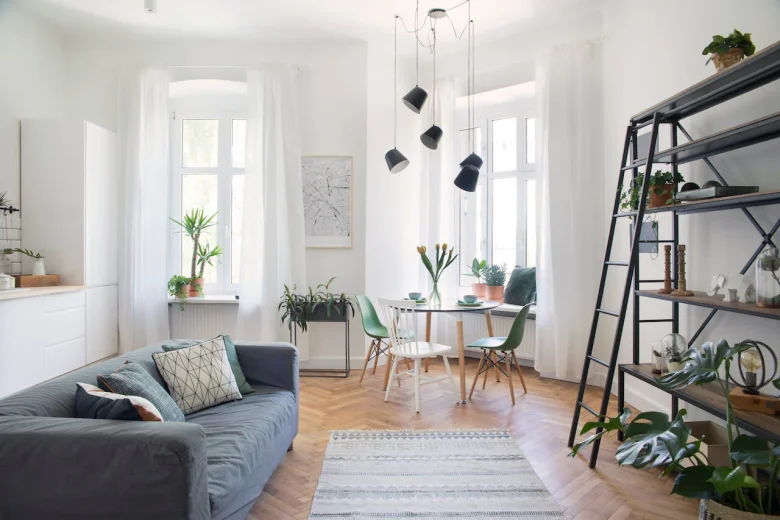
I used to think my room was the problem.
No matter how much I cleaned or rearranged things, it always felt cramped. The bed took up too much space, storage was never enough, and somehow clutter would reappear within days. It wasn’t just uncomfortable—it made everyday tasks feel harder than they should be.
But over time, I realized something important: it wasn’t the size of the space—it was how I was using it.
If you’re dealing with a small bedroom, apartment, kitchen, or workspace, you’re not alone. And the good news is—you don’t need a bigger home. You just need smarter solutions.
Let’s walk through practical, real-life small space solutions that actually work.
Understanding the Real Problem with Small Spaces
Before fixing anything, it’s important to understand why small spaces feel overwhelming.
It’s Not Just About Size
A small space becomes frustrating when:
-
There’s no proper storage
-
Furniture is too bulky
-
Items don’t have designated places
-
Vertical space is ignored
Even a medium-sized room can feel tiny if it’s poorly organized.
Step-by-Step Small Space Solutions
These are the exact changes that made a noticeable difference for me—and they’re easy to apply.
Step 1: Declutter Ruthlessly (But Smartly)
Let’s be honest—most of us keep things we don’t use.
Start with this simple rule:
👉 If you haven’t used it in the last 6–12 months, reconsider keeping it.
How to Do It Efficiently:
-
Create 3 piles: Keep, Donate, Discard
-
Start with visible clutter (tables, shelves)
-
Move to hidden areas (drawers, boxes)
Real insight: My room felt 30% bigger just after removing unnecessary items—no new furniture needed.
Step 2: Use Vertical Space (The Game Changer)
Most people only think horizontally—but walls are your best friend.
Smart Vertical Ideas:
-
Install wall shelves
-
Use hooks for bags, keys, or utensils
-
Add tall storage units instead of wide ones
This instantly frees up floor space.
Step 3: Choose Multi-Functional Furniture
In small spaces, every item should serve more than one purpose.
Examples:
-
Bed with storage drawers
-
Foldable dining table
-
Sofa-cum-bed
-
Ottomans with hidden storage
My experience: Switching to a storage bed eliminated the need for an extra cupboard.
Step 4: Use Light Colors and Proper Lighting
This might sound simple, but it makes a huge difference.
Why it works:
-
Light colors reflect light
-
Dark spaces feel smaller and tighter
What to do:
-
Use white, beige, or soft pastels for walls
-
Add mirrors to reflect light
-
Use layered lighting (ceiling + lamp)
Step 5: Optimize Hidden Spaces
Some of the best storage areas are the ones we ignore.
Look for:
-
Under the bed
-
Behind doors
-
Under stairs
-
Above cabinets
Use storage boxes or organizers to maximize these areas.
Step 6: Keep Furniture Proportional
One big mistake I made was buying oversized furniture.
Fix:
-
Choose slim, compact designs
-
Avoid heavy, bulky pieces
-
Leave some empty space—it creates breathing room
Step 7: Create Zones in One Room
Even small rooms can serve multiple purposes.
Example:
-
One corner = work desk
-
One side = sleeping area
-
Wall shelf = storage
Use rugs, lighting, or furniture placement to define zones.
Practical Tips That Actually Work
These are small adjustments that make a big difference.
✔ Keep Surfaces Clear
Cluttered tables instantly make a room feel smaller.
✔ Use Transparent Items
Glass tables or acrylic chairs create a more open look.
✔ Fold When Not in Use
Foldable furniture is a lifesaver in tight spaces.
✔ Rotate Seasonal Items
Don’t keep winter blankets out in summer—store them away.
Mistakes to Avoid in Small Spaces
Let’s save you from the errors I made.
❌ Over-decorating
Too many decorations make the space feel crowded.
❌ Ignoring Corners
Corners are valuable—use them for shelves or storage.
❌ Poor Lighting
A dim room always feels smaller than it is.
❌ Keeping “Just in Case” Items
These are the biggest space killers.
Real-Life Example: How I Transformed My Small Room
My room was small, cluttered, and frustrating.
Here’s what I changed:
-
Removed unused items
-
Switched to a bed with storage
-
Added two wall shelves
-
Used boxes under the bed
-
Replaced bulky furniture with compact pieces
The result?
It didn’t just look bigger—it felt livable.
I could move freely, find things easily, and actually enjoy the space.
Small Space Solutions for Different Areas
Bedroom
-
Use under-bed storage
-
Install wall-mounted lights
-
Keep bedside tables minimal
Kitchen
-
Use hanging racks
-
Add magnetic knife strips
-
Stack containers vertically
Living Room
-
Use foldable seating
-
Keep a neutral color theme
-
Limit furniture pieces
Bathroom
-
Use wall shelves
-
Install hooks behind doors
-
Use compact organizers
FAQs: Real Questions People Ask
1. How can I make a small room look bigger without renovation?
Use light colors, mirrors, proper lighting, and reduce clutter. These changes create an instant visual difference.
2. What furniture is best for small spaces?
Multi-functional and compact furniture works best, like foldable tables or storage beds.
3. How do I add storage without making the room crowded?
Use vertical space and hidden storage areas instead of adding bulky furniture.
4. Are dark colors bad for small rooms?
They can make a room feel smaller, but you can use them as accents with lighter tones.
5. How do I keep a small space organized long-term?
Adopt a habit of decluttering regularly and avoid bringing unnecessary items into the space.
Conclusion: Small Space, Big Comfort
Living in a small space doesn’t mean living uncomfortably.
With the right approach, even the tiniest room can feel open, organized, and peaceful. The key is to use every inch wisely, avoid unnecessary clutter, and choose functionality over excess.
From my own experience, once I stopped fighting the space and started working with it, everything changed.
Start small. Make one change today.
And you’ll be surprised how quickly your space starts to feel bigger—and better.