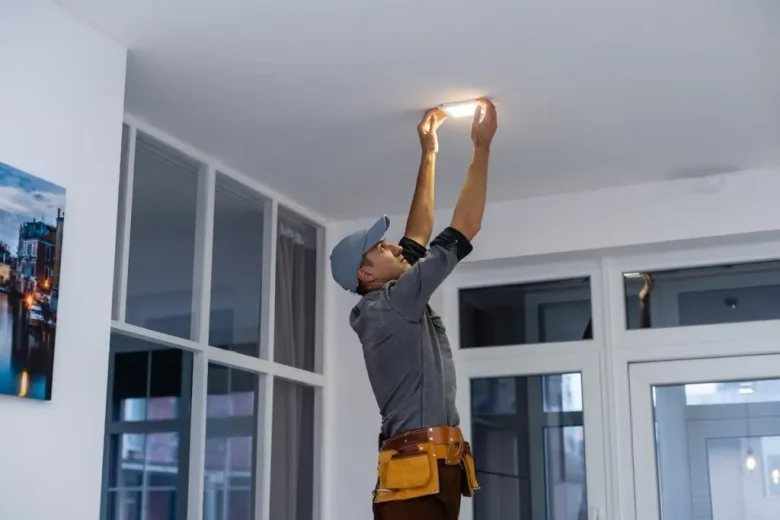
I still remember the frustration of sitting in my room late at night, trying to work, but the light kept flickering. Some days it was too dim to read comfortably, and other days certain bulbs would just stop working for no clear reason. At first, I ignored it—thinking it was just “one of those things.” But over time, these small lighting issues turned into daily annoyances.
If you’re here, chances are you’re dealing with something similar—flickering lights, dim rooms, bulbs burning out too fast, or maybe switches that don’t respond properly. The good news? Most lighting problems are easier to fix than you think—and you don’t need to be an electrician to handle many of them.
Let’s walk through the real causes and practical fixes so you can finally enjoy stable, comfortable lighting in your home.
Understanding Common Lighting Problems
Before jumping into solutions, it helps to understand what’s actually going wrong. Lighting issues usually fall into a few common categories:
1. Flickering Lights
This is one of the most common problems. It might happen occasionally or constantly.
Possible causes:
-
Loose bulb or socket
-
Voltage fluctuations
-
Faulty wiring
-
Cheap or incompatible LED bulbs
2. Dim Lighting
You turn on the light, but it’s just not bright enough.
Possible causes:
-
Low-wattage bulbs
-
Dust buildup on fixtures
-
Aging bulbs
-
Voltage issues
3. Bulbs Burning Out Quickly
If you’re replacing bulbs too often, something isn’t right.
Possible causes:
-
Overheating
-
High voltage
-
Poor-quality bulbs
-
Loose connections
4. Lights Not Turning On
Sometimes the light just refuses to work.
Possible causes:
-
Blown bulb
-
Faulty switch
-
Tripped circuit breaker
-
Wiring problems
Step-by-Step Lighting Problem Fixes
Let’s go through practical solutions you can actually apply—even if you’re a beginner.
Step 1: Check the Bulb First (Always Start Simple)
It sounds obvious, but many people skip this.
-
Turn off the switch
-
Remove the bulb
-
Inspect it for black spots or broken filaments
-
Try it in another socket
👉 If it doesn’t work elsewhere, the bulb is dead—replace it.
Pro Tip: Switch to high-quality LED bulbs. They last longer and consume less energy.
Step 2: Tighten Loose Bulbs and Connections
A loose bulb is a major cause of flickering.
-
Screw the bulb in properly (not too tight, just snug)
-
Check if the socket feels stable
-
Look for signs of wear or burn marks
If tightening fixes the issue, you’re done.
Step 3: Clean Fixtures and Covers
This is something I personally overlooked for years.
Dust and dirt can reduce brightness significantly.
-
Turn off power
-
Remove covers or shades
-
Wipe with a dry or slightly damp cloth
You’ll be surprised how much brighter your room looks after this simple step.
Step 4: Check the Switch
Sometimes the issue isn’t the bulb—it’s the switch.
Signs of a faulty switch:
-
Light turns on/off randomly
-
Crackling sound
-
Delay in response
What to do:
-
Turn off electricity from the main board
-
Remove the switch plate
-
Check for loose wires
👉 If you’re not confident handling wiring, this is where calling a professional is a smart move.
Step 5: Inspect the Circuit Breaker
If multiple lights stop working at once:
-
Go to your electrical panel
-
Look for a tripped breaker (it will be in the middle position)
-
Flip it off, then back on
If it trips again, there may be a deeper electrical issue.
Step 6: Upgrade Poor-Quality Bulbs
I learned this the hard way—cheap bulbs often cause more problems.
Why cheap bulbs fail:
-
Inconsistent voltage handling
-
Poor heat management
-
Short lifespan
Better choice:
-
Branded LED bulbs
-
Energy-efficient options with stable performance
Step 7: Fix Flickering LED Lights
LED flickering is very common today.
Common causes:
-
Incompatible dimmer switch
-
Voltage fluctuations
-
Poor-quality drivers
Solutions:
-
Use LED-compatible dimmers
-
Replace low-quality bulbs
-
Avoid mixing different bulb types in one fixture
Step 8: Address Voltage Fluctuations
If your lights dim or brighten randomly, voltage could be unstable.
Signs:
-
Lights get brighter when appliances turn off
-
Flickering across multiple rooms
Fix:
-
Install a voltage stabilizer
-
Use surge protectors
-
Consult an electrician if the issue persists
Practical Tips That Make a Big Difference
These are small habits that can prevent most lighting issues.
✔ Use the Right Wattage
Always match the bulb wattage to fixture limits. Overpowered bulbs cause overheating.
✔ Avoid Overloading Circuits
Too many devices on one circuit can affect lighting performance.
✔ Let Bulbs Cool Down
Turning lights on/off frequently reduces lifespan.
✔ Use Proper Fixtures for Each Room
For example:
-
Bright white light for kitchens
-
Warm light for bedrooms
Common Mistakes to Avoid
I’ve made some of these myself—learn from them.
❌ Ignoring Early Signs
Flickering today can become a wiring problem tomorrow.
❌ Buying the Cheapest Bulb
It saves money short-term but costs more long-term.
❌ DIY Electrical Work Without Knowledge
Fixing a bulb is fine—handling wiring without experience is risky.
❌ Mixing Different Bulb Types
LED + CFL + incandescent in one fixture can cause inconsistent performance.
Real-Life Example: How I Fixed My Flickering Lights
In my case, the problem started with occasional flickering in one room. I replaced the bulb—no change. Then I checked the socket—slightly loose.
After tightening it, the flickering reduced but didn’t disappear completely.
Finally, I realized the real issue: a cheap LED bulb paired with an old dimmer switch. Once I replaced the dimmer with an LED-compatible one, the problem was completely gone.
👉 Lesson learned: sometimes the issue isn’t just one thing—it’s a combination.
When You Should Call an Electrician
Some problems go beyond DIY fixes.
Call a professional if:
-
Lights flicker across the entire house
-
You smell burning near switches
-
Breakers trip frequently
-
Wiring looks damaged
It’s better to be safe than sorry.
FAQs: Real Questions People Ask
1. Why do my lights flicker when I turn on appliances?
This usually happens due to voltage fluctuations or circuit overload. Try redistributing appliances or using a stabilizer.
2. Is flickering dangerous?
Occasional flickering isn’t always serious, but frequent flickering could indicate wiring issues and should be checked.
3. Why do LED bulbs burn out quickly?
Poor quality, overheating, or incompatible fixtures can reduce their lifespan.
4. Can I fix a light switch myself?
Yes, if it’s a simple replacement and you turn off the power. Otherwise, call a professional.
5. Why is one room dimmer than others?
It could be due to lower wattage bulbs, dirty fixtures, or voltage drop in that circuit.
Conclusion: Fix the Small Things Before They Become Big Problems
Lighting problems can feel frustrating, especially when they interrupt your daily routine. But in most cases, the solution is simpler than expected.
Start small—check the bulb, clean the fixture, tighten connections. These basic steps solve a surprising number of issues. And when the problem goes deeper, don’t hesitate to bring in an expert.
From my own experience, once I took the time to properly fix my lighting issues, it made a huge difference—not just in visibility, but in comfort and peace of mind.
Good lighting isn’t just about brightness—it’s about reliability. And now, you have everything you need to achieve that.